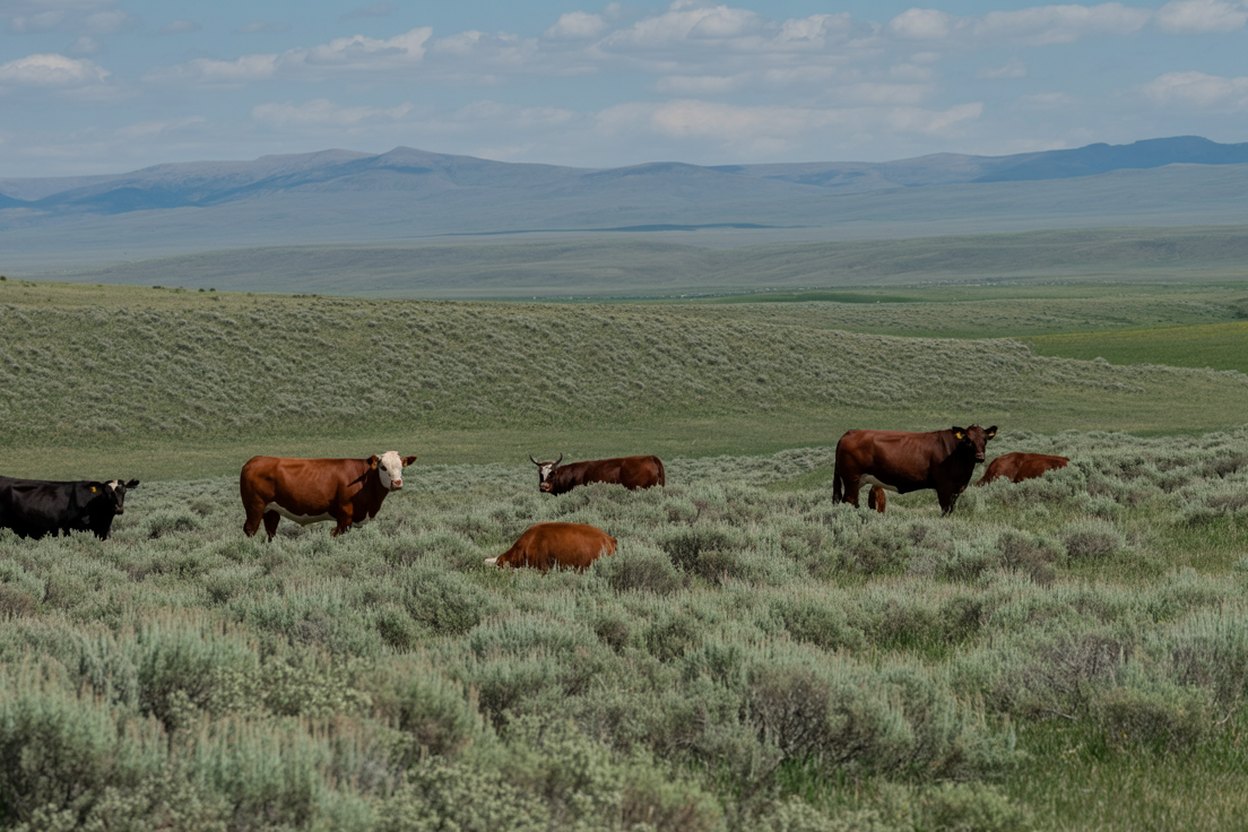
If you are looking at Oregon ranch land for sale, Eastern Oregon offers something the western side of the state cannot: vast acreage at a fraction of the cost, a dry climate that rewards prepared operators, and a ranching culture that still runs on handshakes and hard work. At True North Equine Land & Ranch, our broker Kellie Robinson has worked rural land transactions across Malheur County and the Idaho border region for more than 15 years, and this high-desert country is the landscape we know best.
This guide covers what buyers need to understand before purchasing ranch land in Eastern Oregon, from the towns and sub-regions worth knowing, to water rights, BLM grazing permits, zoning under Oregon’s Exclusive Farm Use rules, and financing options for both raw land and improved operations. We link to our deeper resources throughout so you can drill into the topics that matter most for your specific goals.
In This Guide
Why Eastern Oregon for Ranch Land
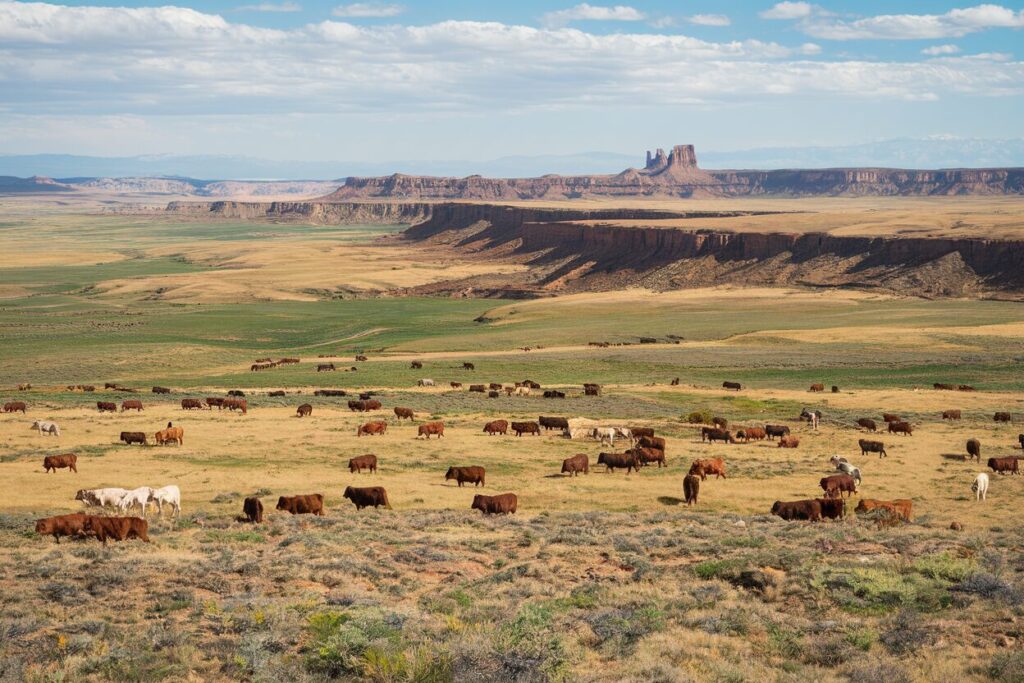
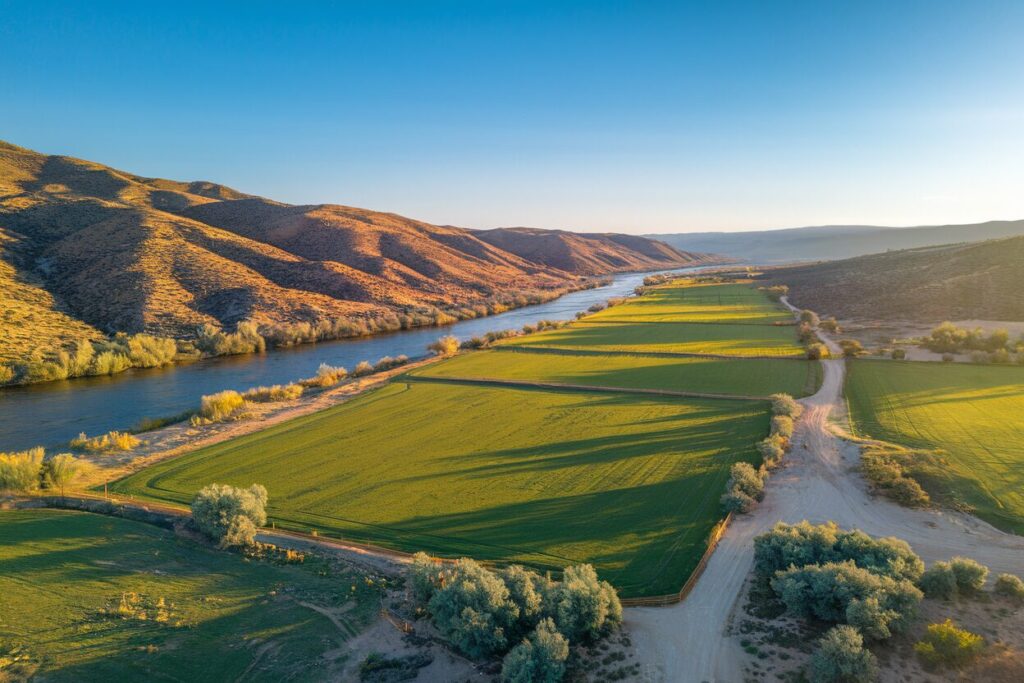
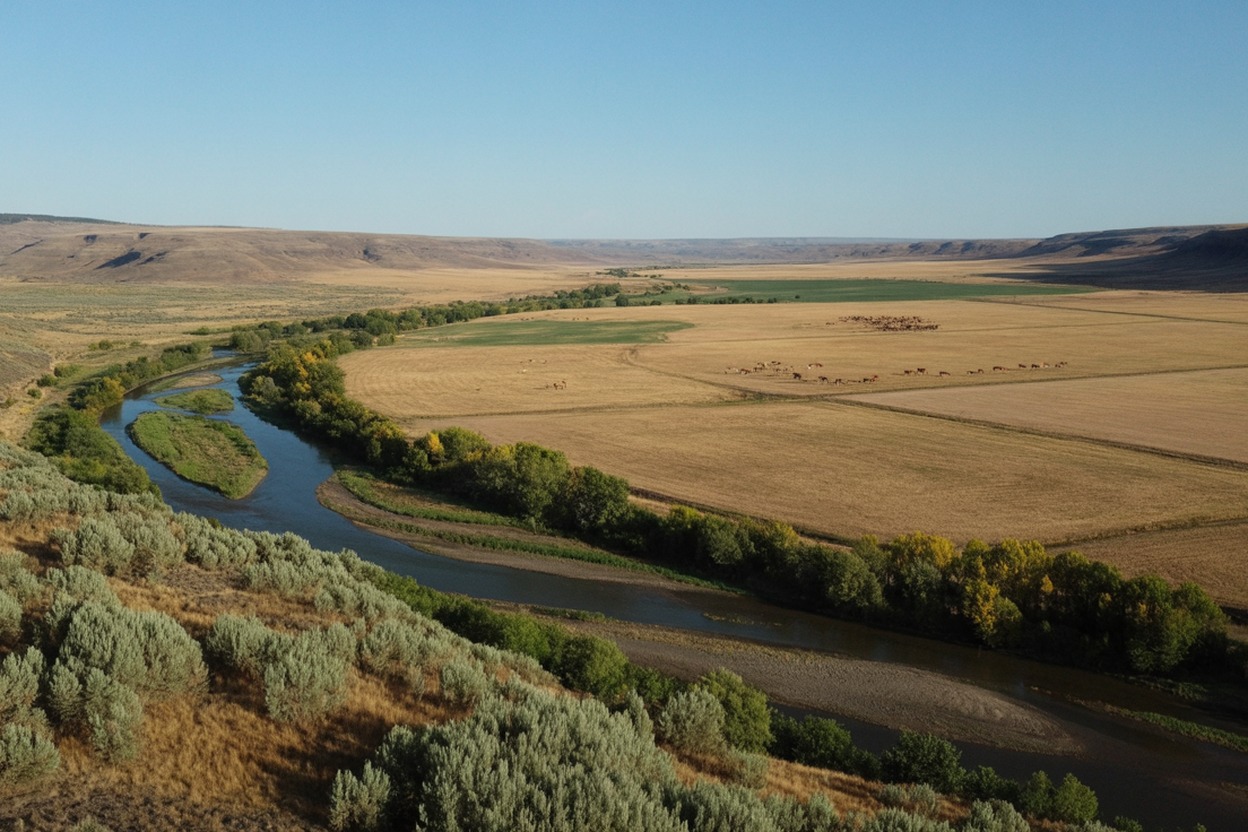
Eastern Oregon is high-desert agricultural country, and it could not be more different from the green, expensive valleys west of the Cascades. Annual rainfall in Malheur County averages roughly 8 to 10 inches, according to NWS Boise climate records for the region, which means irrigation water is not a luxury but a requirement for any productive operation. The trade-off is that land prices per acre are dramatically lower than anywhere in the Willamette Valley or along the I-5 corridor, and the regulatory environment is geared toward working agriculture rather than urban development.
| Factor | Malheur County, OR | Payette County, ID |
|---|---|---|
| Irrigated land ($/acre) | $2,500 to $7,000 | $4,000 to $9,000+ |
| Property tax framework | EFU farm-use deferral | Ag assessment (Idaho Code 63-604) |
| Water administration | OWRD (state agency) | IDWR (state agency) |
| Zoning flexibility | Restrictive (EFU protections) | More flexible (county-level) |
| Distance to Boise | 50 to 60 miles | 30 to 60 miles |
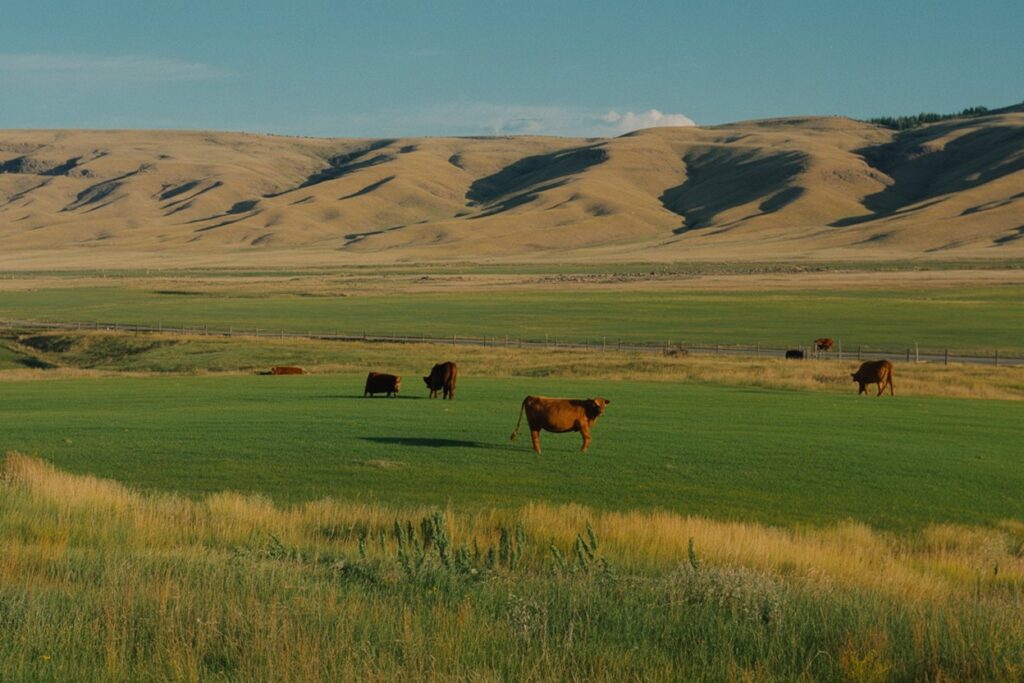
For buyers who want to run cattle, produce hay, raise horses, or simply own a large piece of ground with breathing room, Eastern Oregon offers scale that is genuinely difficult to find at comparable prices in neighboring states. The key is understanding what separates a productive parcel from a pretty-but-dry one, and that is where water rights, soil quality, and local knowledge become essential.
Distance and Isolation: An Honest Assessment
It is worth acknowledging that Eastern Oregon is remote by most standards. Ontario, the largest town in Malheur County, sits roughly 50 miles west of Boise and over 350 miles from Portland. (These distances apply to the Ontario/Nyssa/Vale corridor; remote parts of Malheur County such as Jordan Valley are significantly farther from both cities.) That distance is the reason the land is affordable, but it also means fewer services, longer drives to medical specialists, and a smaller pool of buyers when you eventually sell. For many ranchers, that remoteness is the whole point. Just make sure your family and your operation can thrive with the trade-offs before you commit.
Towns and Sub-Regions Worth Knowing
Most of the ranch and farm ground we work in Eastern Oregon sits in and around Malheur County, with some parcels extending into Baker County and the southern Owyhee country. Each sub-region has a distinct character.
Ontario
Ontario is the economic hub of Malheur County, sitting right on the Idaho border with direct access to Interstate 84 and the Treasure Valley’s amenities across the Snake River. Surrounding agricultural ground ranges from irrigated row-crop land along the river bottoms to dryland pasture on the benches above town. Buyers who want ranch land but also need access to schools, medical care, and supply stores often start their search near Ontario.
Vale
The county seat, Vale sits along the Malheur River and is surrounded by a mix of irrigated farmland and dryland range. The Vale Oregon Irrigation District serves a significant portion of the productive ground in this area. Vale’s small-town character and lower land costs compared to the Ontario fringe make it attractive to buyers looking for larger parcels at a lower per-acre cost.
Nyssa and Adrian
Nyssa, known locally as the “Thunderegg Capital of Oregon,” sits southeast of Ontario and is surrounded by productive irrigated ground fed by the Owyhee Irrigation District. Adrian, further south, is even more rural and offers some of the most affordable irrigated acreage in the county. Both communities are small and agricultural to the core, which appeals to buyers who want to be embedded in a working farm and ranch landscape.
Jordan Valley and the Owyhee Country
South of Adrian, the landscape transitions into the Owyhee high desert: big, remote, and cattle-focused. Jordan Valley is one of the most isolated communities in Oregon, and the ranches surrounding it tend to be large operations that combine deeded ground with BLM grazing permits. This is not hobby-ranch territory. It is working range country suited to experienced operators who understand livestock production at scale.
Baker County Edge
The northern fringe of our service area touches Baker County, where the terrain shifts toward timbered foothills and higher-elevation grazing. Baker County parcels sometimes offer a mix of irrigated meadow and forested range that is appealing to buyers who want a combination of livestock production and recreational access.
County-by-County Land Comparison
The table below summarizes what buyers typically find when comparing ranch land across the Eastern Oregon counties we work in most. These are broker estimate ranges based on local market observations, not appraised values or official county data. Always verify current conditions, parcel-specific details, and pricing with your agent and a licensed appraiser before making any purchase decision.
| County / Sub-Region | Typical Ranch Parcel Size | Primary Land Use | Dominant Water Source |
|---|---|---|---|
| Malheur County (Ontario/Nyssa corridor) | 40 to 300 acres | Irrigated hay, row crops, mixed livestock | Owyhee Irrigation District, wells |
| Malheur County (Vale area) | 80 to 640 acres | Mixed irrigated/dryland, cow-calf operations | Vale Oregon Irrigation District, Malheur River rights |
| Malheur County (Adrian/Jordan Valley) | 200 to 5,000+ acres | Rangeland cattle, large-scale grazing | Stock water rights, springs, BLM water |
| Baker County (southern edge) | 100 to 1,000 acres | Timbered range, irrigated meadow, recreation | Surface rights, small irrigation districts |
Water Rights in Oregon
Water is the defining variable in any Eastern Oregon land purchase. Oregon follows the prior appropriation doctrine, administered by the Oregon Water Resources Department (OWRD), which means water rights are granted based on seniority: older rights get fulfilled before newer ones in a dry year. For a buyer, this translates directly into risk. A parcel with a senior water right from the early 1900s is a fundamentally different asset than one with a junior right from the 1970s, even if the acreage and location look identical on paper.
We have written a comprehensive guide to water rights in both Oregon and Idaho at Understanding Water Rights When Buying Ranch Property. That post covers the mechanics of prior appropriation, the verification process through OWRD, and the key differences between the two states. We strongly recommend reading it before making any offer on a property where water is part of the value.
Irrigation Districts in Malheur County
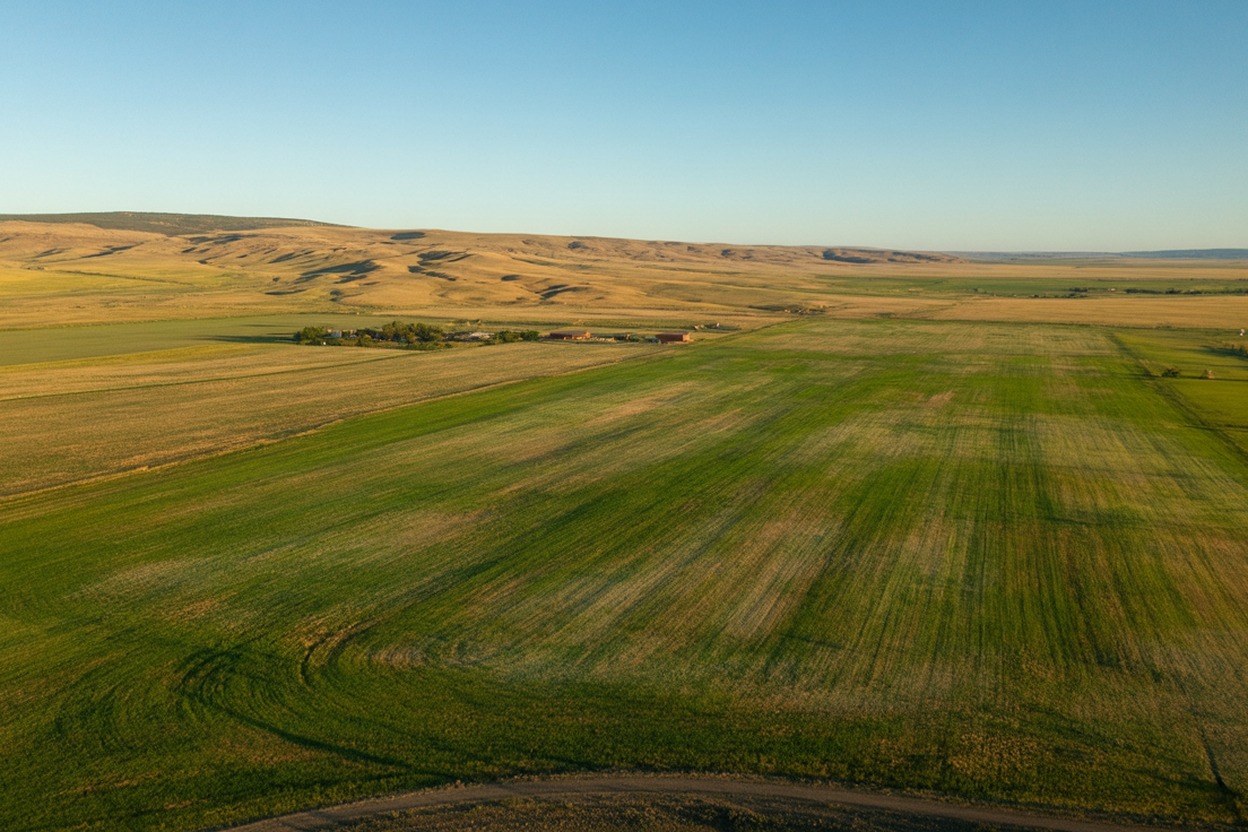
Much of Malheur County’s productive ground receives water through organized irrigation districts rather than direct individual appropriations. The Owyhee Irrigation District, which draws from Owyhee Reservoir, is the largest in the region and delivers water to tens of thousands of acres of farmland around Nyssa and the surrounding area. The Vale Oregon Irrigation District serves parcels along the Malheur River corridor. If you are buying district-served land, you inherit the district’s assessment obligations and delivery schedule along with the water. Ask for the most recent assessment history and any pending capital improvement levies during due diligence.
BLM Grazing Permits and AUM Basics
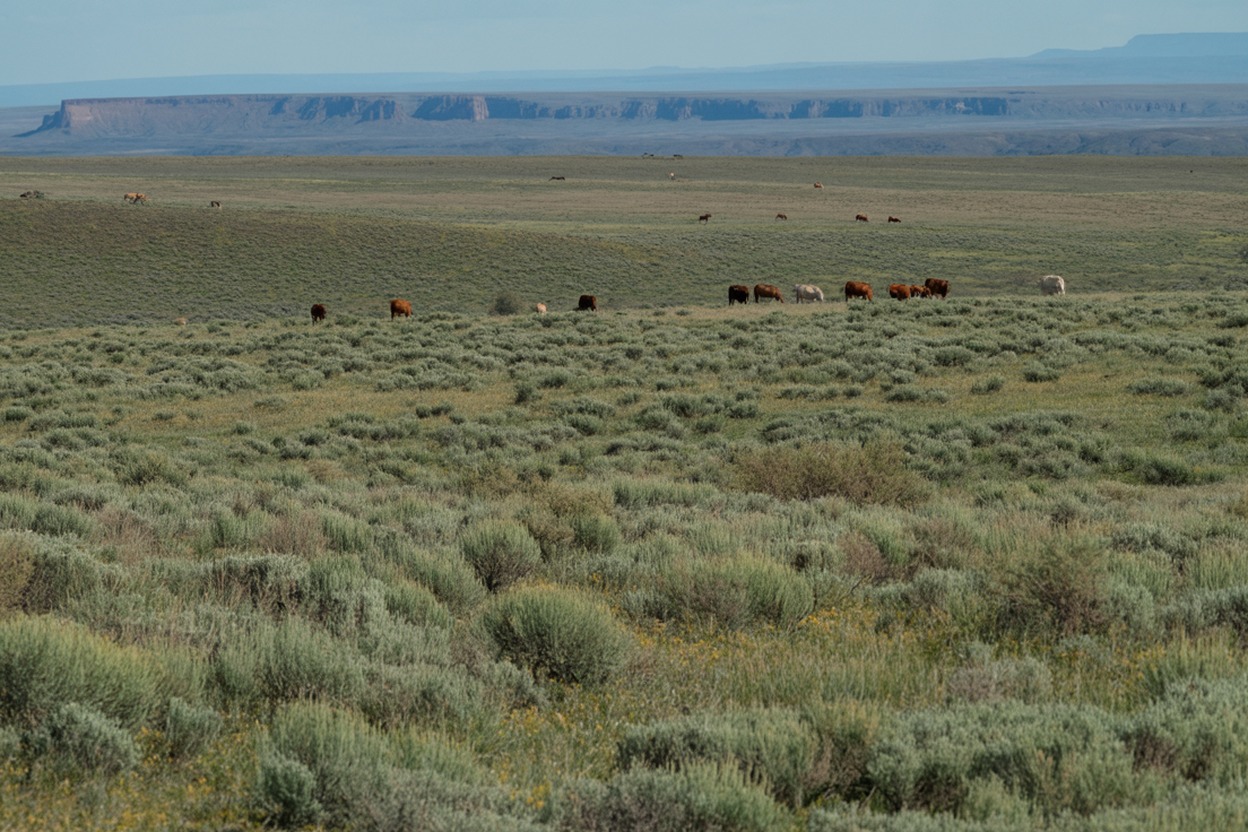
Many of the larger ranch operations in Eastern Oregon depend on federal grazing permits administered by the Bureau of Land Management’s Vale District. These permits allow ranchers to graze livestock on public land for a specified number of animal unit months (AUMs) per year, supplementing the carrying capacity of their deeded private ground.
What Is an AUM?
An animal unit month represents the amount of forage needed to sustain one cow-calf pair for one month. A BLM grazing permit specifies how many AUMs a permittee is authorized, which season of use, and which allotments the livestock can access. The federal grazing fee is set annually and has historically been well below private-market lease rates, making these permits a significant economic asset for the ranches that hold them.
Permits Transfer With the Ranch, Usually
BLM grazing preference may be associated with qualifying “base property,” meaning the deeded ranch headquarters. When you buy that ranch, the grazing preference may follow the base property, but the buyer must file a transfer application with BLM (generally within 90 days of acquiring the base property), qualify as an eligible operator, and receive BLM approval for a new or transferred grazing authorization. Treat grazing permits as revocable federal privileges, not deeded property rights. However, permit conditions can change. AUM allocations may be reduced due to drought, resource management decisions, or allotment management plan revisions. Before assigning significant value to leased grazing in your purchase analysis, review:
- Permit history including any AUM reductions over the past decade
- Pending environmental reviews that could change allotment conditions
- Most recent allotment monitoring data for range condition and trend
Consult with the BLM Vale District office directly for current permit status and any anticipated changes.
Zoning, EFU, and Ag Tax Deferral
Oregon’s land-use system is more structured than Idaho’s, and understanding it is critical for any ranch-land buyer. The key concept is the Exclusive Farm Use (EFU) zone, which covers the vast majority of agricultural land in Malheur County and throughout Eastern Oregon.
What EFU Means for Buyers
EFU zoning is designed to protect agricultural land from conversion to residential or commercial use. This is generally good for ranch buyers because it preserves the agricultural character of the landscape and prevents subdivision pressure from driving up land values. However, EFU also limits what you can build and what non-farm activities you can conduct on the property. Dwellings are permitted under specific conditions, but each has qualification criteria:
| Dwelling Type | Who Can Live There | Key Qualification |
|---|---|---|
| Primary farm dwelling | Owner/operator of the farm | Must demonstrate the farm generates income or is part of a commercial agricultural enterprise |
| Relative farm-help dwelling | Family member assisting with the operation | Relative must be actively engaged in farm work on the property |
| Accessory farm dwelling | Non-family farm worker | Applicant must show that additional labor is necessary for the operation |
EFU dwelling eligibility is highly fact-specific and depends on whether the land is high-value farmland or rangeland, the parcel or tract acreage, farm-use scale, income tests, and whether another dwelling already exists on the tract. Always verify dwelling eligibility with the county planning department before assuming a home, second home, relative-help dwelling, or replacement dwelling can be approved.
Farm Tax Deferral
Oregon offers a farm-use special assessment that taxes qualifying agricultural land on its farm-use value rather than its market value. This can produce substantial property tax savings on larger parcels. Like Idaho’s ag assessment program, Oregon’s deferral comes with a potential rollback: if you disqualify the land from farm-use assessment by changing the use, you may owe deferred taxes for previous years. The Oregon State University Extension Service publishes guides on Oregon’s farm and forest tax programs that are useful reading for any prospective buyer (verify current guidelines with the county assessor).
Financing and the Closing Process
Financing raw ranch land in Eastern Oregon follows a different path than financing a residential property. Most conventional mortgage lenders will not finance unimproved agricultural land, so buyers typically turn to one of three sources.
USDA Farm Service Agency (FSA)
USDA FSA offers Farm Ownership Loans that can be used to purchase farmland, including ranch land. These loans are particularly valuable for beginning farmers and ranchers who may not qualify for conventional agricultural lending. FSA also offers Direct Operating Loans for startup costs. Eligibility requirements include a viable farm plan and the inability to obtain credit elsewhere at reasonable terms. Processing times can be longer than conventional loans, so start the application early if FSA financing is your path.
Farm Credit Institutions
Farm Credit cooperatives such as AgWest Farm Credit (formerly Northwest Farm Credit Services) specialize in agricultural real estate lending and are often more comfortable with rural land collateral than traditional banks. They understand irrigation infrastructure, grazing permit value, and ag revenue projections in ways that residential lenders do not. If you are purchasing a working ranch with an income history, Farm Credit lenders are often the most straightforward option.
Seller Financing
In the Eastern Oregon ranch market, seller financing may be more available than in urban real estate. Some sellers, particularly retiring ranchers, prefer to carry a note rather than take a lump sum, and the terms can be more flexible than institutional lending. If seller financing is on the table, have your attorney review the note terms carefully, including balloon payment provisions, prepayment penalties, and what happens if the seller’s estate changes hands during the loan term.
Raw Land vs. Improved: Different Closing Dynamics
Closing on raw ranch land is typically simpler from a structural standpoint (no home inspection, no appliance concerns), but several factors can extend the timeline:
- Water-right verification through OWRD records and district inquiries
- Title research on easements, access, and encumbrances
- BLM permit transfer requiring agency review and approval
- County zoning confirmation for intended use and structures
As a planning estimate, budget 45 to 90 days for closing on a rural Oregon ranch purchase, and be prepared for the possibility that water-right or permit verification takes longer than expected. For a deeper look at current market conditions and timing, see our 2025 Horse Property Market Trends post.
Frequently Asked Questions
Where in Oregon is it most affordable to buy land and live?
Eastern Oregon, and Malheur County in particular, is consistently one of the most affordable areas in the state. Land prices around Ontario, Vale, and Nyssa are a fraction of what you would pay in the Willamette Valley or Central Oregon. The tradeoff is distance from Portland, but for ranch and equine buyers that wide-open space and low density is exactly the point.
What is the cheapest state to buy land per acre?
Idaho and Oregon both rank among the more affordable Western states for rural acreage, especially in the eastern portions of each state. Our service area along the Idaho-Oregon border offers some of the lowest per-acre prices in the Pacific Northwest for land with water access and agricultural potential. Cross-border buyers can compare prices on both sides of the Snake River.
How many acres do you need for a horse in Oregon?
Oregon State University Extension recommends about 2 acres of well-managed pasture per 1,200-pound horse in Western Oregon. In Eastern Oregon where rainfall is lower and irrigation is common, the same guideline applies to irrigated ground, but dryland acreage requires significantly more. I factor in pasture rotation, supplemental hay needs, and the specific soil conditions of each property.
What is the best state to buy horse property in?
It depends on your priorities. For buyers who want affordable acreage with water access, a mild four-season climate, and low property taxes, the Idaho-Oregon border region checks a lot of boxes. You get wide-open ranch country without the premium pricing of Colorado, Montana, or California horse country. I am licensed in both states and help buyers compare properties on both sides of the border.
What should people look for when buying land for horses?
Water is the most important factor: confirm what water rights convey and whether the property has reliable irrigation or well access. After that, evaluate pasture quality, soil drainage, fencing condition, zoning that allows livestock, and road access for hay delivery and emergency veterinary visits. Also check for toxic plants common to the area. I walk every property with equine buyers and assess each of these before we write an offer.
Browse Ranch Properties Schedule a Consultation
When you are ready to explore Oregon ranch land for sale in Malheur County or anywhere across Eastern Oregon, we would welcome the chance to show you what is available and help you evaluate the parcels that fit your operation and your goals. Kellie Robinson knows this country from the saddle and from the closing table, and we are here to make sure you buy with confidence.
Market data disclaimer: Per-acre price ranges, AUM figures, and other quantitative information in this post are general estimates based on market observation and should be independently verified with a licensed appraiser, your county assessor, the relevant water-resource agencies, and the BLM before making any purchase decision. Figures may have changed since publication. True North Equine Land & Ranch does not guarantee the accuracy of third-party data. Full Disclaimer.
About the Author
Kellie RobinsonBroker/Owner of True North Real Estate Group, licensed in Idaho and Oregon. Competitive reiner, rancher, and 15+ years helping buyers find land that works.