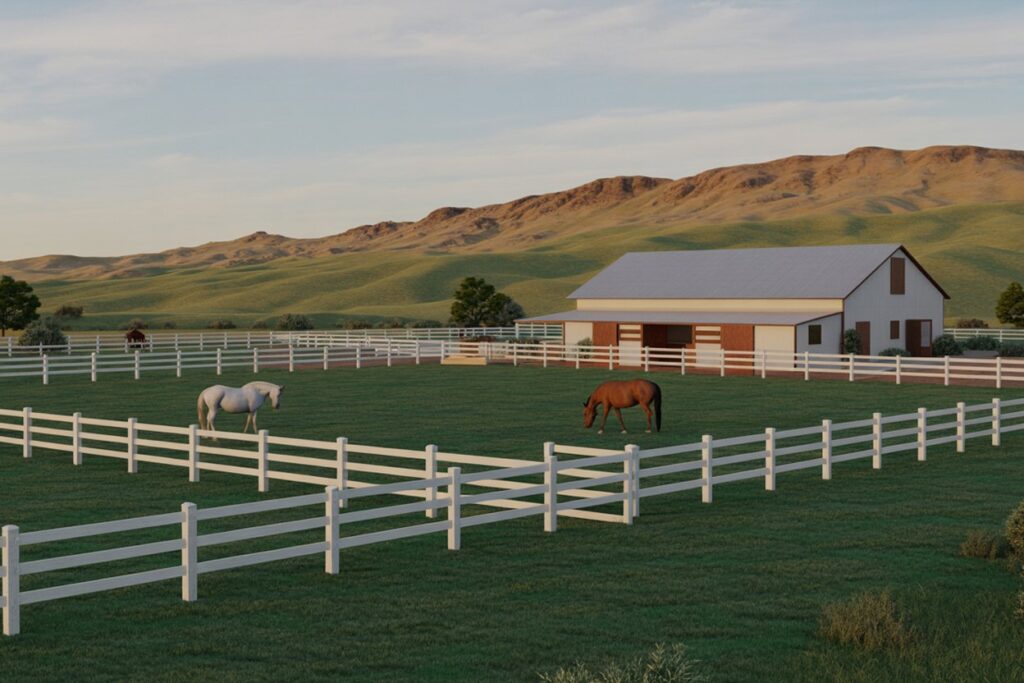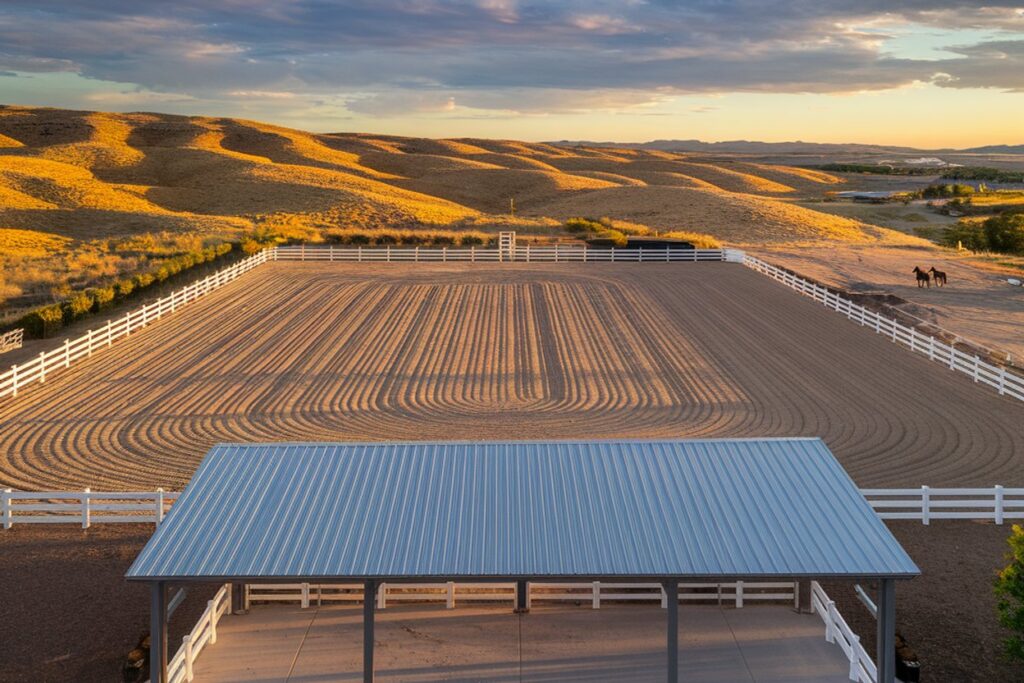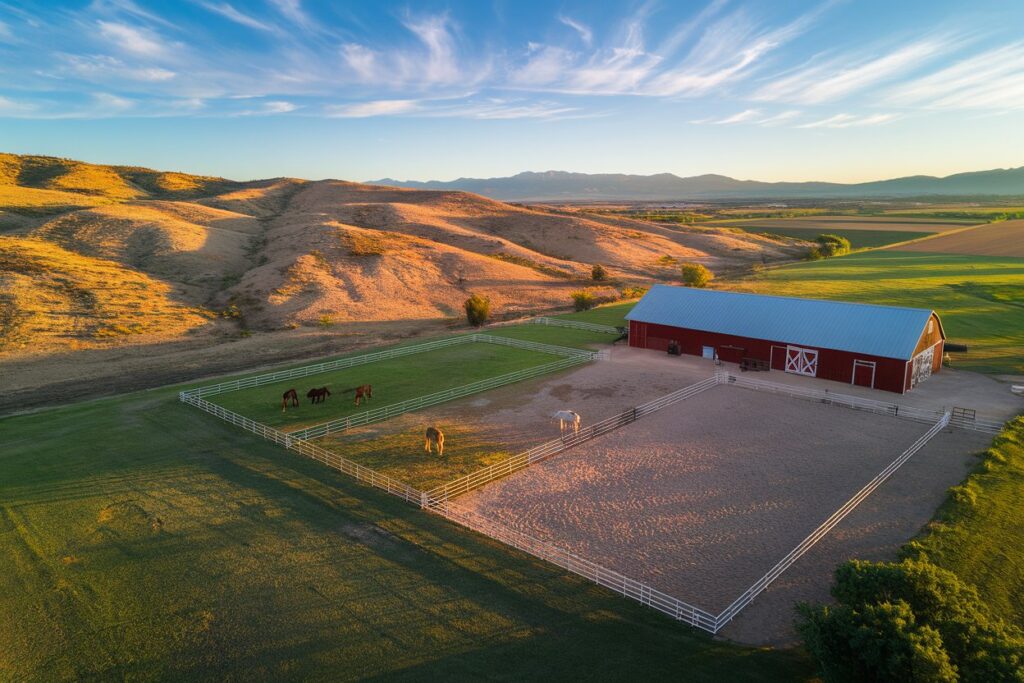
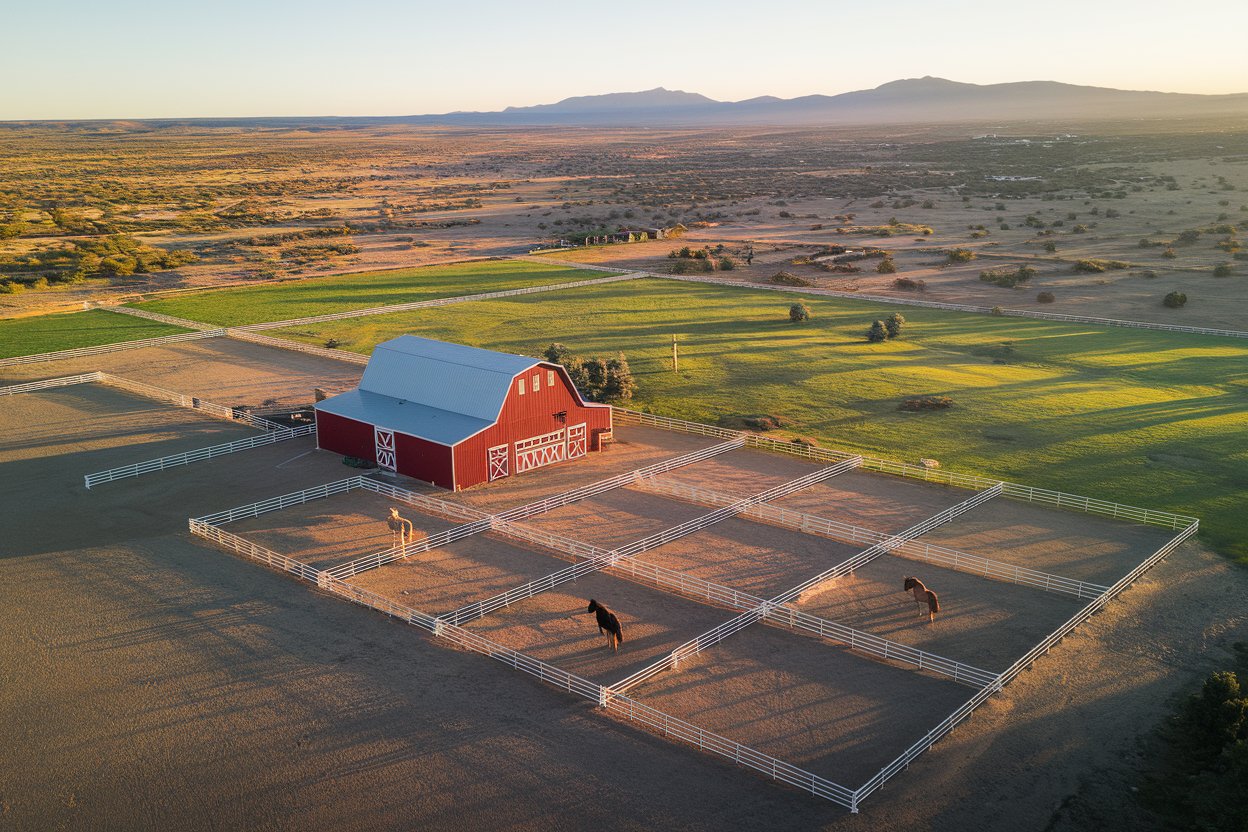
If you’ve been searching for eastern Oregon ranches for sale or horse property in Western Idaho, 2025 brought significant changes worth understanding. After three years of limited inventory and aggressive competition, the market has shifted toward balance—giving buyers negotiating power they haven’t had since before the pandemic while maintaining strong fundamentals for sellers with quality properties.
Whether you’re actively shopping for your dream horse property, considering listing your ranch, or simply curious about where values are heading in 2026, this market analysis covers what happened in our region this year and what it means for your real estate decisions.
In This Guide
Market Overview: Supply vs Demand
The horse property and ranch market in the Oregon-Idaho border region transitioned from a seller’s market to a more balanced environment throughout 2025. Inventory expanded significantly—Malheur County saw available listings surge 178% compared to the same period in 2024—while days on market increased and the percentage of homes selling below asking price grew substantially.
This shift doesn’t signal a market downturn. Instead, it represents a return to sustainable conditions after an extraordinary period. Quality turnkey properties with good water rights, functional horse facilities, and well-maintained homes continue to attract strong interest. What’s changed is that buyers now have time to conduct proper due diligence rather than making rushed decisions under competitive pressure.
Limited Inventory of Turnkey Properties
Despite increased overall inventory, genuinely turnkey horse properties remain relatively scarce. Properties featuring complete setups—barns, arenas, quality fencing, and adequate water—still command premiums because new construction costs make building these facilities from scratch expensive. Many long-term horse property owners aren’t selling, which limits turnover of the most desirable listings.
For buyers, this means patience remains important when searching for horse properties that won’t require significant additional investment. For sellers with well-maintained facilities, accurate pricing based on current comparables—rather than 2022 peak values—positions properties to sell without extended market time.
Price Trends Year-Over-Year
Price movement varied significantly by location and property type. Eastern Oregon generally saw flat to modest appreciation, while Western Idaho markets closer to Boise continued posting gains, though at a slower pace than previous years. According to the Boise Regional REALTORS November 2025 report, the broader Idaho market showed signs of stabilization after several years of rapid growth.
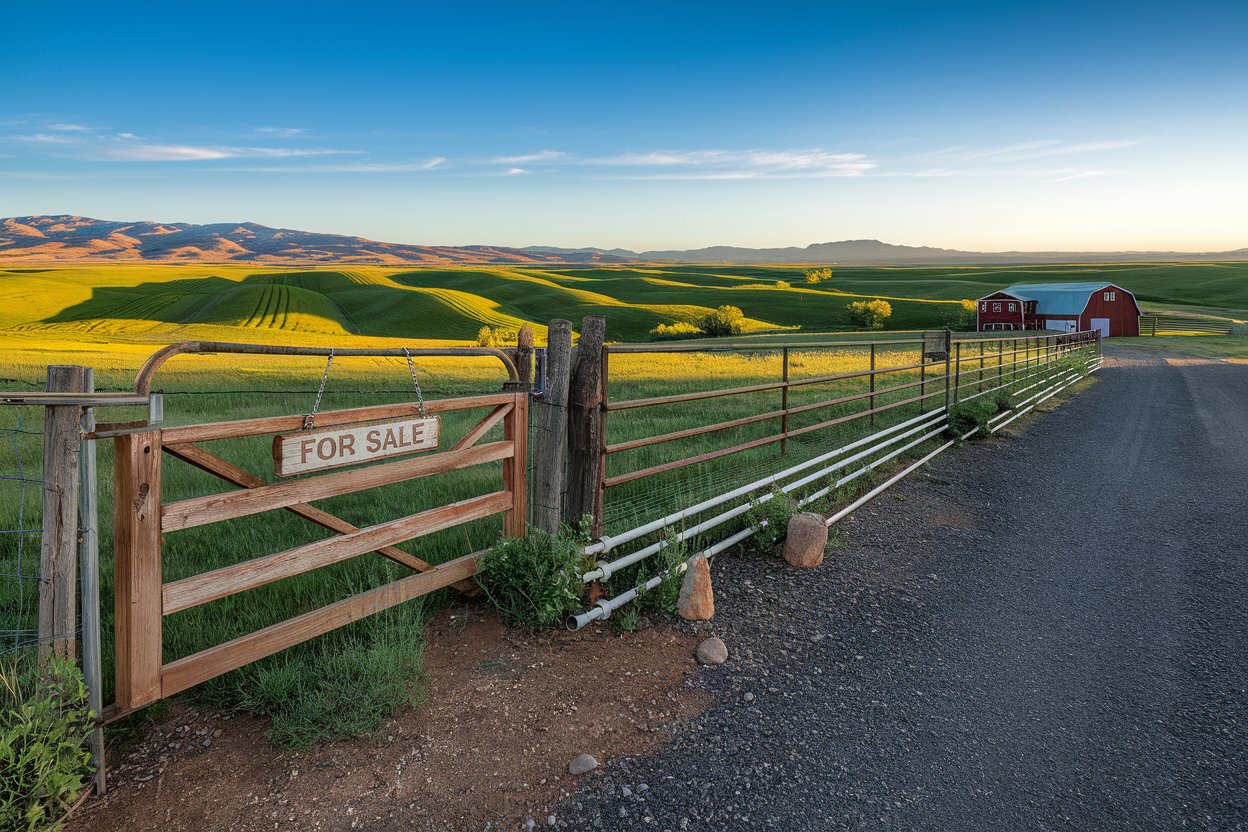
What Buyers Are Looking For in 2025
Lifestyle-Driven Purchases
Remote work continued enabling lifestyle-focused relocations throughout 2025. Buyers increasingly prioritized quality of life over commute proximity, with many willing to trade urban convenience for space, privacy, and the ability to keep horses at home. The Boise metro area grew approximately 25% over the past decade, and that growth pressure continues pushing buyers outward into Payette County, Washington County, and across the border into Eastern Oregon.
Multi-generational property interest also emerged as a significant trend, with families seeking acreage that can accommodate parents, adult children, or both. Properties with secondary dwellings or room for additional structures attracted particular attention.
Income-Generating Potential
Buyers showed increased interest in properties that can generate income to offset ownership costs. Boarding facilities, training operations, and properties suitable for events all saw heightened demand. Agricultural income potential—whether from hay production, cattle grazing, or farm leases—became a more prominent consideration. Learn more about evaluating income-generating properties in our detailed guide.
Sustainability and Self-Sufficiency
Solar installations, reliable well water, garden and orchard space, and off-grid capability all emerged as valued features. Buyers increasingly asked about irrigation water rights, domestic well capacity, and the potential for food production alongside horse keeping.
Regional Spotlight: Eastern Oregon
Malheur County Market
The Malheur County market—encompassing Ontario, Vale, and Nyssa—offers some of the most affordable horse property opportunities in the region. Median home prices ranged from $325,000 to $408,000 through late 2025, with properties spending an average of 76 to 136 days on market. Notably, approximately 50% of homes sold below their asking price, indicating buyers have meaningful negotiating leverage.
For ranch and agricultural properties specifically, Malheur County listings averaged around $8,670 per acre, though this varies dramatically based on water rights, irrigation infrastructure, and improvements. Properties with Owyhee Project irrigation rights, creek water rights, or reliable wells command significant premiums over dryland parcels. If you’re considering properties in this area, contact us to discuss current opportunities and what to expect in specific communities.
Baker County Opportunities
Baker County presents a compelling option for buyers seeking mountain property appeal with recreational access. The median price reached approximately $298,000 in early 2025—up 4.6% year-over-year—with properties selling faster than in Malheur County at 31 to 46 days on market. About 47% of homes sold under asking price, with only 18% selling above list.
The Baker City area appeals particularly to buyers interested in proximity to national forest land, hunting and fishing access, and the historic downtown community. Properties here often feature different characteristics than the irrigated farmland common in Malheur County—more timber, varied terrain, and different water considerations.
Western Idaho Market Analysis
Weiser, Fruitland, and Payette Area
The Western Idaho horse property market demonstrated stronger price appreciation than Eastern Oregon throughout 2025, reflecting continued Boise spillover effects. Payette County led with 13.1% year-over-year appreciation, reaching a median sale price of $381,000. Fruitland specifically rose 10.8% to $443,078, while the city of Payette saw more modest 5.4% gains.
Washington County (Weiser area) showed mixed signals typical of lower-volume rural markets. List prices jumped 21.5% year-over-year to $373,450, while actual sale prices increased a more moderate 18.4%. Days on market dropped significantly—down over 50% to 94 days—though the market remained less competitive than areas closer to Boise, meaning buyers retained negotiating leverage.
The commutability factor plays an important role here. While Weiser and Payette remain distinctly rural, the drive to Boise employment centers remains manageable for hybrid workers or those willing to commute several days per week. This accessibility supports continued demand even as the market normalizes. Have questions about specific communities in Western Idaho? Reach out to discuss which areas best fit your needs and budget.
Investment Outlook
Land as Long-Term Asset
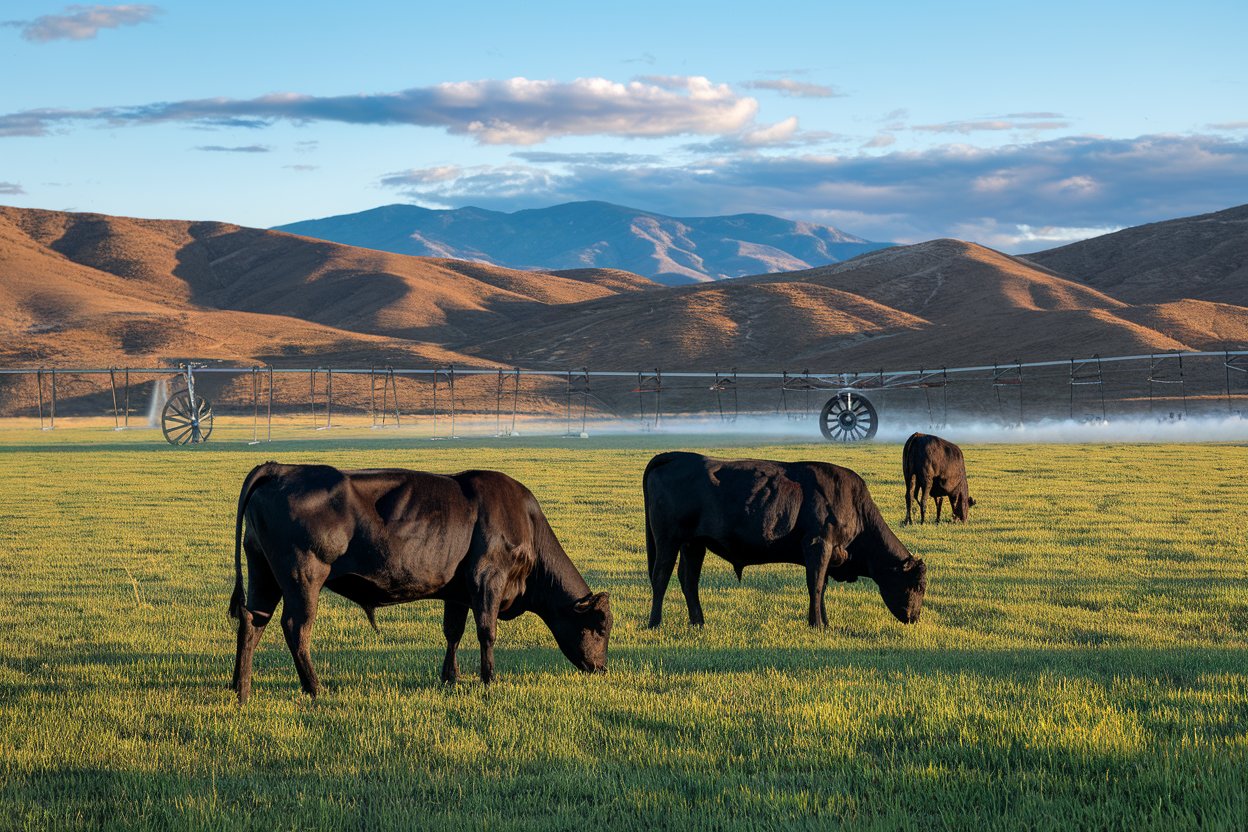
Agricultural land values provide important context for understanding ranch property as a long-term investment. According to USDA’s August 2025 Land Values Summary, Idaho’s farm real estate reached $4,580 per acre with 4.3% annual growth, while Oregon’s $3,780 per acre represented only 1.6% growth. The Oregon State University Extension notes that 2024 wildfires negatively affected grazing land values in parts of Eastern Oregon, though historical data shows agricultural land consistently outperforms inflation over multi-decade holding periods.
Agricultural Land Values Comparison
| Land Category | Oregon 2025 | Idaho 2025 | Difference |
|---|---|---|---|
| Farm Real Estate (avg) | $3,780/acre | $4,580/acre | Idaho +21% |
| Irrigated Cropland | $8,000/acre | $9,290/acre | Idaho +16% |
| Non-Irrigated Cropland | $3,000/acre | $2,530/acre | Oregon +19% |
| Pastureland | $1,080/acre | $2,400/acre | Idaho +122% |
The irrigation premium proves critical for ranch valuations. In Oregon, irrigated cropland commands $5,000 more per acre than non-irrigated ground. In Idaho, this premium jumps to $6,760 per acre, reflecting the greater importance of irrigation in Idaho’s more arid agricultural regions. When evaluating any farm property, water rights should be among your first considerations.
Rental and Boarding Income Potential
For properties suitable for commercial boarding operations, the regional market supports full-care rates of $500 to $700 per month in Oregon and averaging around $600 per month in Idaho. A well-managed 10-stall facility at $500 per month generates $60,000 in gross annual revenue, though operators note that feed, labor, insurance, and utilities often leave minimal profit margins without careful management.
Agricultural income offers additional return potential. Ranch economics benefited from record cattle prices throughout 2025, with fed cattle trading at $235 to $245 per hundredweight. Oregon alfalfa averaged $205 per ton, and at Pacific Northwest yields of 6 to 9 tons per acre, quality irrigated hay ground can generate $1,200 to $1,800 per acre in gross revenue annually.
Best Time to Buy
Seasonal patterns in the ranch market typically show increased inventory in spring and early summer, with reduced activity through winter months. However, serious buyers often find motivated sellers during the off-season when competition is lower.
Interest rates have improved for rural buyers. Federal Reserve cuts through 2025 reduced rates to 3.5% to 3.75%, and USDA Single Family Housing Direct Loans offer approximately 5% rates with no down payment requirement—a significant advantage for qualifying properties.
The current environment offers negotiating leverage absent during the pandemic boom—more inventory, longer days on market, and significant percentages of properties selling below asking price. Industry forecasts project moderate 2% to 4% appreciation in rural markets for 2026. Waiting for further price declines carries risk if appreciation resumes, while current inventory levels provide options that may not persist.
The fundamental case for rural property ownership remains compelling: remote work flexibility shows no signs of reversing, agricultural land provides an inflation hedge, and quality horse properties in desirable locations will always attract demand. Whether 2026 proves the ideal moment depends more on finding the right property than on market timing.
Ready to Explore Your Options?
The 2025 market created new opportunities for buyers ready to make informed decisions. With inventory up, negotiating leverage restored, and financing costs improving, now may be the right time to find your ideal horse property or ranch in Eastern Oregon or Western Idaho.
Whether you’re ready to view current listings or simply want to understand how current market conditions affect your specific situation, we’re here to help. Kellie Robinson brings over 15 years of experience specializing in horse properties and ranch land across both states—including firsthand understanding of what equestrians need from a property.
Get a Personalized Market Analysis
Market data current as of January 2026. Contact us for the most up-to-date information on specific areas or property types.

About the Author
Kellie RobinsonBroker/Owner of True North Real Estate Group, licensed in Idaho and Oregon. Competitive reiner, rancher, and 15+ years helping buyers find land that works.