True North Equine Land & Ranch is a licensed real estate brokerage in Idaho and Oregon. Information deemed reliable but not guaranteed. Full Disclaimer.
If you're searching for affordable horse property in Eastern Oregon, Malheur County deserves your attention. This sprawling high desert region along the Idaho border offers something increasingly rare in the Pacific Northwest: quality land with water rights at prices that won't require selling your soul—or your best horse.
Malheur County real estate presents a compelling opportunity for equestrians priced out of Western Oregon's Willamette Valley or the increasingly expensive Boise metro area. With over 200 sunny days annually, established agricultural infrastructure, and millions of acres of public land for trail riding, this corner of Oregon has quietly become a destination for savvy horse property buyers who value substance over scenery hype.
Three factors make Malheur County stand out for horse property buyers: affordability that's hard to match anywhere in the region, a climate suited to year-round riding, and an agricultural heritage that means the infrastructure you need already exists.
Affordable Land Prices
The numbers tell the story. Malheur County land prices range from approximately $2,600 to $8,670 per acre depending on water rights and improvements—compared to $20,000+ per acre in the Willamette Valley and a staggering $116,790 per acre average in Ada County (Boise). That's not a typo. You can purchase 10 to 45 times more land here for the same investment.
Irrigated cropland with established water rights typically commands $7,000 to $12,000 per acre. Dry rangeland in more remote areas like Jordan Valley may sell for $500 to $1,000 per acre. This range means buyers at virtually every budget level can find suitable horse property.
Recent market trends favor buyers. Days on market have roughly doubled from 20 to 45+ days between 2023 and 2024, and inventory has increased substantially. While prices have risen modestly, the frantic competition that characterized the 2021-2022 market has eased considerably.
Climate for Year-Round Riding
Malheur County's high desert climate offers distinct advantages for horse owners. Ontario, the county's largest city, receives over 200 sunny days annually—above the national average and dramatically more than rain-soaked Western Oregon. Annual precipitation averages just 9.5 inches, meaning you'll spend far less time dealing with mud management.
Summer brings hot, dry conditions with average highs in the low 90s°F and afternoon humidity dropping to 25-30%. Winters are cold—expect average lows in the high teens to low 20s°F with about 137 days below freezing annually.
This is genuine four-season country with real winters, but the low humidity and abundant sunshine make even cold days manageable for riding. The dry climate also benefits horse health—lower humidity means reduced risk of thrush, rain rot, and respiratory issues that plague horses in wetter regions.
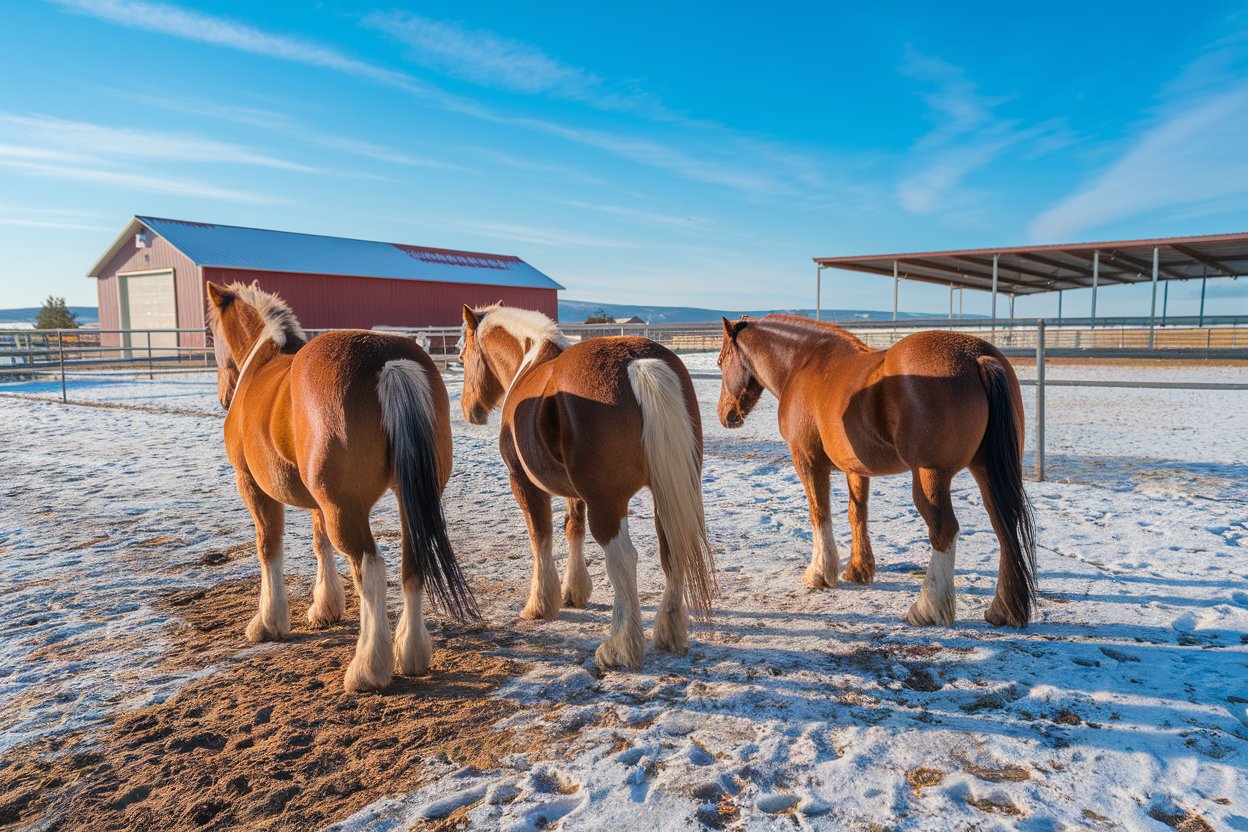
Even in winter, Malheur County's dry climate and abundant sunshine make for comfortable conditions—horses thrive in the low-humidity high desert environment.
Agricultural Heritage
Malheur County ranks among Oregon's top agricultural producers, generating over $1 billion in economic activity annually. Cattle and calves alone account for $290 million in sales—roughly 24% of Oregon's total. The county maintains 174,000 irrigated acres and over 93,000 acres dedicated to forage and hay production.
For horse owners, this agricultural foundation translates to practical benefits: abundant local hay supply, established feed dealers, large animal veterinary services, and a community that understands livestock. You won't be the eccentric neighbor with horses—you'll fit right in.
Key Communities
Malheur County spans nearly 10,000 square miles with several distinct communities, each offering different advantages for horse property buyers. Note that most of the county operates on Mountain Time—one hour ahead of the rest of Oregon.
Ontario: The Regional Hub
Ontario serves as Malheur County's largest city with a population of approximately 12,000, though the daytime population swells to around 60,000 as it functions as the regional commercial center. Located directly on I-84 with the slogan "Where Oregon Begins," Ontario offers the most comprehensive amenities in the county.
Saint Alphonsus Medical Center provides 49-bed acute care with Level IV Trauma Center designation. You'll find major retailers, restaurants, and services here that simply don't exist in smaller communities. Major employers include the Heinz/Ore-Ida facility with roughly 1,000 employees.
For horse property buyers, Ontario's primary advantage is proximity to services while still offering rural properties on the outskirts. The Boise airport is just 55 miles away—under an hour's drive—making travel convenient.
Vale: The County Seat
Vale holds the distinction of being Malheur County's seat of government since 1888, with a population of approximately 1,650. This quiet community offers a more rural atmosphere than Ontario while maintaining essential services.
The BLM Vale District Office is headquartered here, managing 5.1 million acres of public land—a significant consideration for trail riders. Vale's rich Oregon Trail heritage is celebrated through historic downtown murals, and the weekly livestock auction remains one of Oregon's largest.
Rodeo culture runs deep in Vale. The Vale 4th of July Rodeo has been a tradition for 110 years, drawing competitors from across the region. For horse enthusiasts seeking authentic Western community, Vale delivers.
Nyssa: Agricultural Heart
Nyssa brands itself the "Thunderegg Capital of the World" and hosts the annual Thunderegg Days celebration. More relevant for horse buyers, Nyssa sits at the heart of the county's irrigated agricultural district along the Snake River.
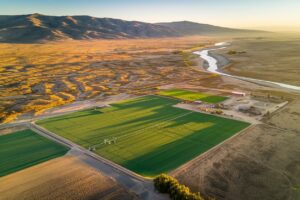
The Owyhee Irrigation District, which serves 67,200 acres through over 400 miles of canals, is based here. Properties in the Nyssa area often have access to irrigation water—a critical consideration for maintaining pastures in this arid climate. The farming community means local access to hay, feed, and agricultural services.
Jordan Valley: Ranching Country
For those seeking true remoteness, Jordan Valley offers something increasingly rare: wide-open spaces with minimal neighbors. Oregon's smallest incorporated city in Malheur County with a population of about 130, Jordan Valley serves as the gateway to the Owyhee Canyonlands.
Be prepared for genuine isolation. Cell service is nonexistent in surrounding areas, and the only lodging is a single motel. However, large acreage properties are available at prices that seem almost fictional to buyers from more populated areas.
The Jordan Valley Big Loop Rodeo, now in its 65th year, celebrates the working ranch cowboy tradition with its distinctive 20-foot minimum rope loops. Jordan Valley's Basque heritage, dating to 1890s shepherding settlements, adds cultural depth to this remote community.
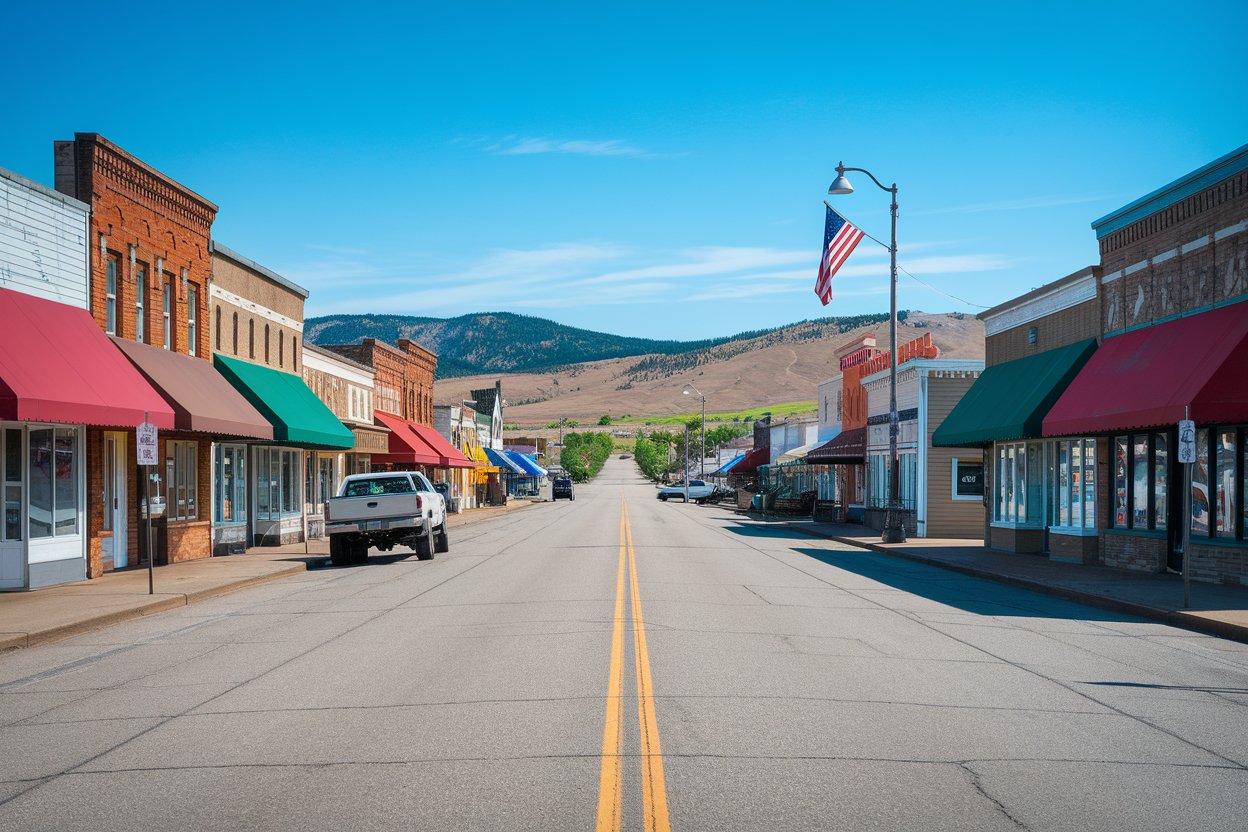
Downtown Vale captures the authentic small-town Western character of Malheur County—where pickup trucks line main street and the surrounding hills remind you just how rural life can be.
What You Get for Your Money
Understanding what different budgets can purchase helps set realistic expectations. The following represents typical properties currently available in Malheur County.
Budget Comparison Table
What different budgets typically purchase for horse property in Malheur County, Oregon
Budget
Typical Acreage
Home
Horse Facilities
Horse Capacity
$400,000
5-20 acres
3-4 bed modest home
Basic fencing, possibly older barn
2-5 horses
$600,000
20-80 acres
Solid 3-4 bed home
Water rights, basic outbuildings
5-15 horses
$800,000
80-160 acres
Larger updated home
Barns, arena, good fencing, water rights
15-25+ horses
$1,000,000+
160-500+ acres
Custom or historic ranch home
Complete equestrian setup, hay production
25+ horses or commercial
Price Comparison: Malheur County vs. Other Markets
To put these numbers in perspective, consider what the same budget purchases elsewhere. A $600,000 budget that gets you 40 acres with a solid home and water rights in Malheur County might buy 5 acres with a modest home in the Boise metro area—or perhaps 3 acres without irrigation in the Willamette Valley.
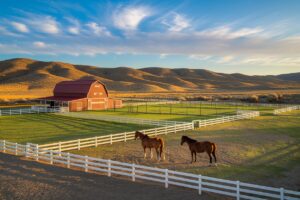
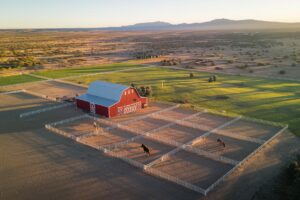
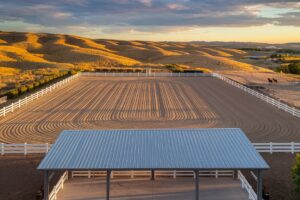
Current listings demonstrate the value. Properties like a 217-acre Vale spread with a 7-stall barn and roping arena list around $1,450,000—a price that might purchase 20 acres without facilities in more competitive markets.
Infrastructure and Amenities
Before scheduling a tour, you'll want to understand what services and amenities support horse ownership in Malheur County.
Veterinary Services
Eastern Oregon Animal Health in Ontario provides mixed animal practice serving both large and small animals. For specialized equine care, Idaho Equine Hospital in Nampa, Idaho—about 45 minutes from Ontario—offers 24/7 emergency services, board-certified specialists, surgery, and reproduction services.
Feed and Hay Supply
The county's agricultural foundation ensures reliable access to hay and feed. Local suppliers include High Desert Hay & Forage in Nyssa (family-owned), Thiel Livestock Feeds in Nyssa, and Evan's Grain and Elevator in Ontario.
Current hay prices in Eastern Oregon reflect the region's production capacity. Premium alfalfa large squares run approximately $150-165 per ton FOB, with supreme quality alfalfa at $210-240 delivered. Timothy grass hay averages $225-275 per ton.
Many buyers develop direct relationships with local farmers for consistent supply at competitive prices.
Water and Irrigation
Understanding water rights is essential when buying farm or ranch property in Oregon. The Oregon Water Resources Department administers water rights under the prior appropriation doctrine—meaning water rights are separate from land ownership and must be specifically transferred.
The Owyhee Project, a Bureau of Reclamation development completed in 1935, anchors the region's irrigation infrastructure. The system includes the 417-foot Owyhee Dam and over 900 miles of canals serving 105,000+ acres.
Annual irrigation costs are reasonable—one recent listing noted just $780 per year for water. Properties with established irrigation rights command premium prices but offer significant advantages for pasture maintenance in this arid climate.
Trail Access and Public Land
Here's where Malheur County truly shines for equestrians. Approximately 72% of the county is BLM-managed public land—among the highest percentages in Oregon. The BLM Vale District manages 5.1 million acres, with the Malheur Field Office overseeing 4.6 million acres.
The Owyhee Canyonlands represent a premier riding destination. This 2+ million acre region spanning southeastern Oregon, southwestern Idaho, and northern Nevada constitutes one of the largest roadless areas in the lower 48 states. Horseback riding is explicitly permitted on BLM land with no permit required for individual recreational use.
Access points include Jordan Valley (primary gateway), Rome, Three Forks, and Leslie Gulch. Historic wagon roads and ranching trails offer extensive riding terrain.
Be prepared for self-sufficiency—roads are often unmaintained, high-clearance 4WD is recommended, and cell service is nonexistent. Sharp volcanic terrain can be hard on hooves, so appropriate hoof protection is advisable.
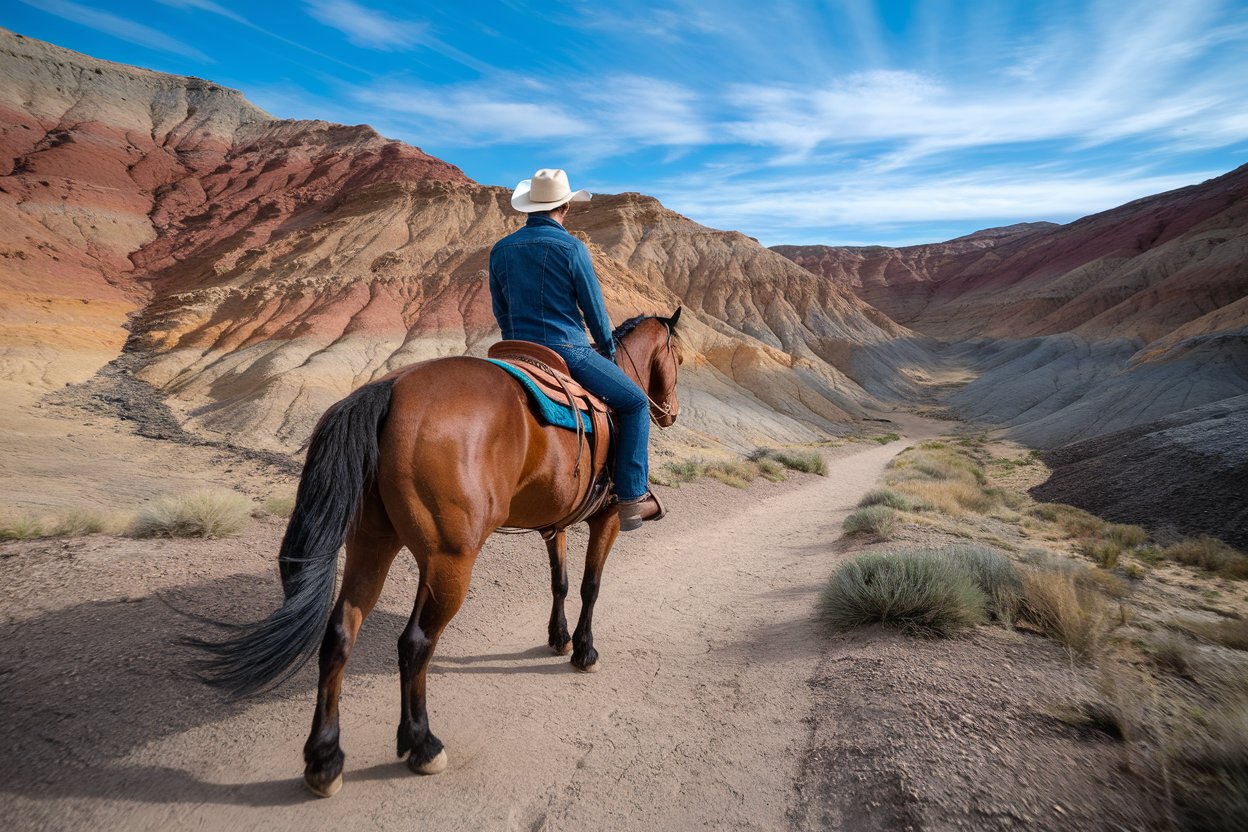
The Owyhee Canyonlands offer over 2 million acres of BLM land for horseback riding—dramatic volcanic formations and endless trails make this one of the Pacific Northwest's premier riding destinations.
Rodeo and Show Circuit
The local equestrian community centers heavily on Western disciplines. The Vale 4th of July Rodeo (110 years running), Jordan Valley Big Loop Rodeo (65 years), and Malheur County Fair Rodeo in Ontario provide competitive opportunities throughout the season.
The Malheur County Fairgrounds in Ontario offers year-round horse facilities including barns, an arena, and RV camping for events. OSU Extension Malheur County runs active 4-H horse programs including Ranch Horse Project, Horse Judging, and Hippology competitions.
Current Listings in Malheur County
The current market offers a range of options for horse property buyers. From modest starter properties under $400,000 to expansive working ranches over $2 million, Malheur County inventory provides genuine choices at price points that simply don't exist in more populated regions.
What makes now a good time to look? The market has shifted in buyers' favor with increased inventory and longer days on market. Sellers are more willing to negotiate, and the urgency that characterized recent years has diminished.
Interest rates remain a factor, but the fundamental value proposition—significantly more land and facilities for your dollar—hasn't changed.
Purchasing horse property in Malheur County involves considerations that generic real estate agents may miss: verifying water rights status, understanding irrigation district requirements, evaluating soil for horse facilities, and assessing practical access to the services horse owners need.
At True North Equine Land & Ranch, we specialize in ranch and horse properties across Eastern Oregon and Western Idaho. Kellie Robinson brings over 15 years of experience in rural real estate combined with personal understanding of equestrian needs from her competitive reining background.
Whether you're relocating from out of state, expanding your current operation, or searching for your first horse property, we can help you navigate this market effectively.