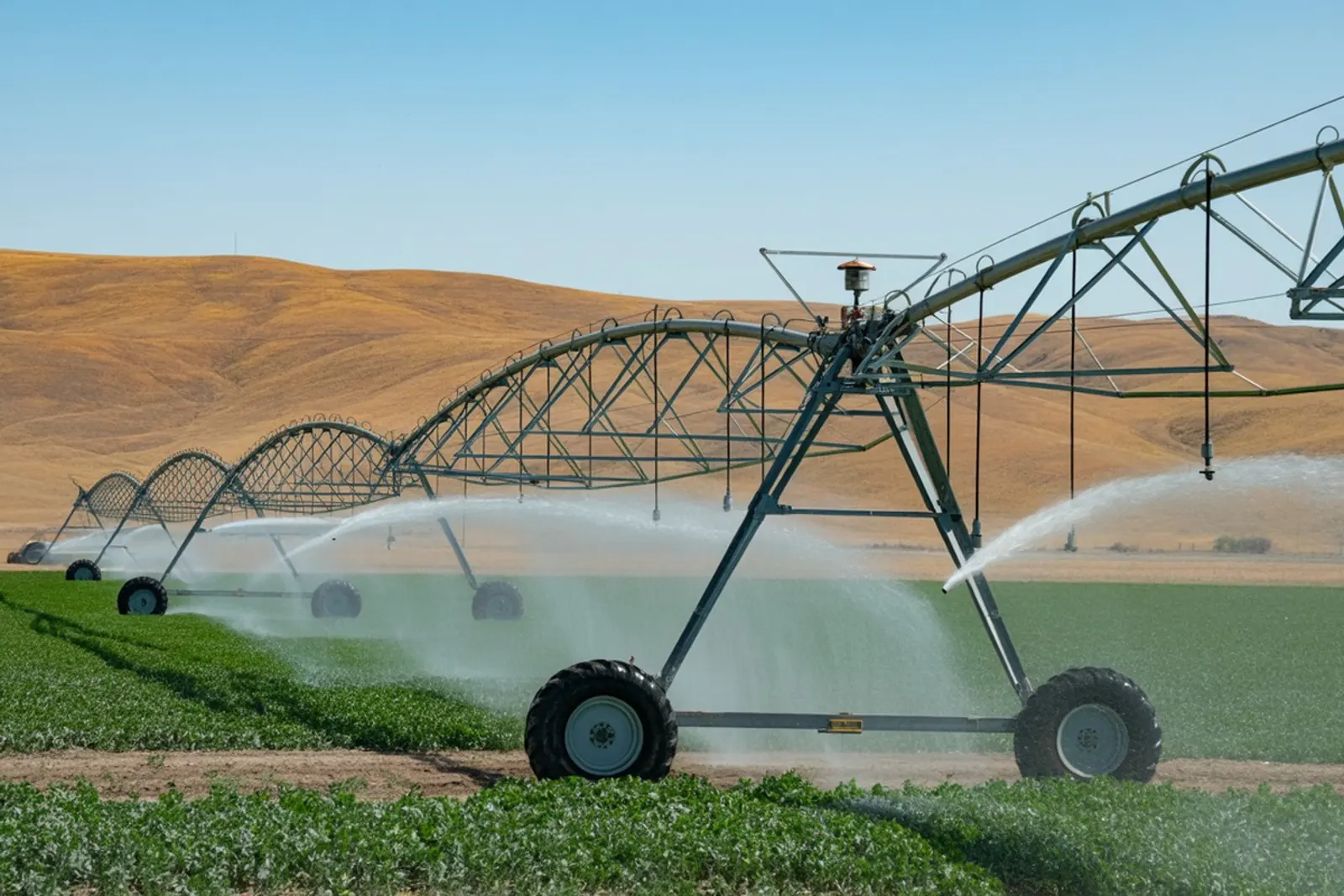
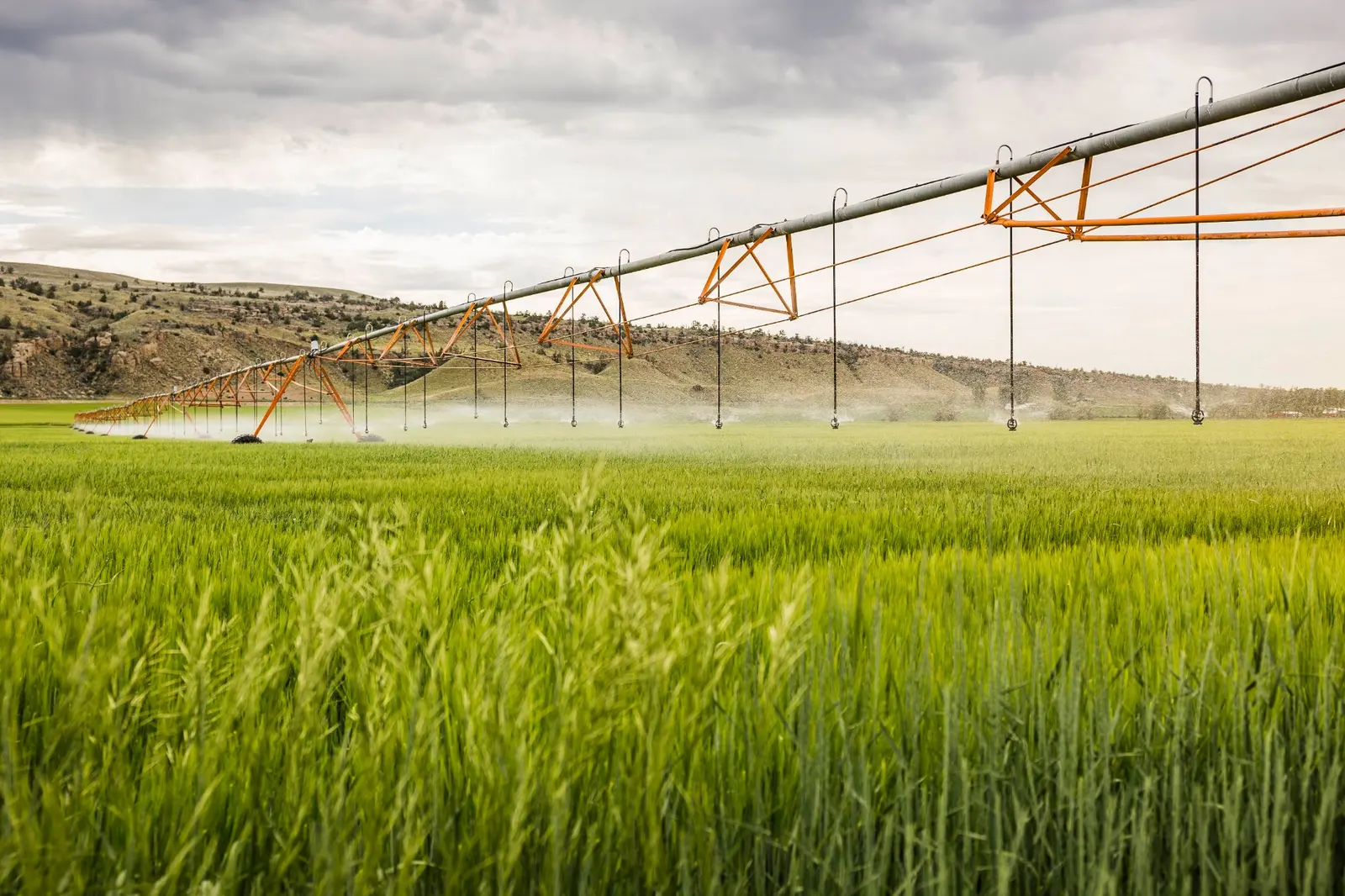
Center-pivot irrigation over a green field
Home/Properties/Farm Land

Farm Land for Sale in Idaho and Oregon

Irrigated cropland, row-crop ground, and working farms across the Treasure Valley and Snake River Plain.

This page collects the active farm land listings we follow across Western Idaho and Eastern Oregon — irrigated row-crop ground near Nyssa and Parma, pivot fields on the Snake River Plain, hay ground, orchards, and diversified operations with shops and housing. It's written for growers adding acreage, families buying a first farm, and investors who want land that produces. Farm ground is priced on water and soil long before it's priced on buildings, so below the listings you'll find what really drives value here, the counties where productive ground comes up, and answers to the questions farm buyers ask me most. Listings update daily from the MLS. Tell me the acreage, crop, and water you need, and I'll watch for it.

Current Listings

Farm Land for Sale

Active and pending farm and cropland listings, updated daily from the MLS.

Valuation

What Drives Farm Land Value

Five factors that set the price of productive ground — and the ones buyers most often underestimate.
Crop History
Records

Crop History

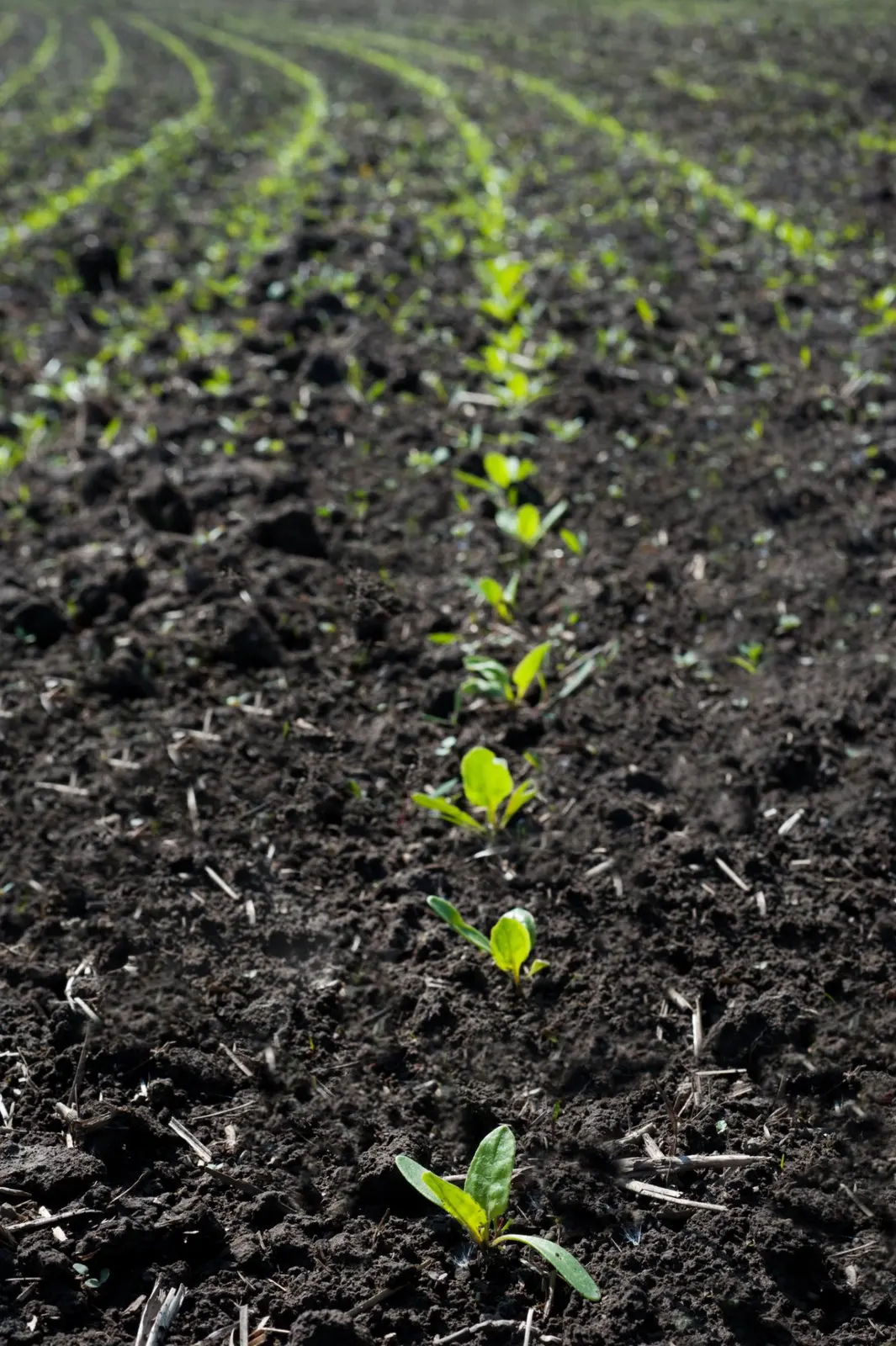
Yields and rotations — onions, sugar beets, corn, alfalfa. Good records support financing and show what the ground has actually produced, not just what it could.

Water Right Seniority
Priority Date

Water Right Seniority

In a short water year, senior rights get water first. The priority date can matter more than the acreage.

Irrigation District & Delivery
Delivery

Irrigation District & Delivery

Which district, how many shares, and how water reaches the field — gravity, gated pipe, or pivot.

Soil Class
Soil

Soil Class

NRCS soil class tells you what the ground can grow. Class I and II ground commands a real premium.

Access
Logistics

Access

Year-round legal access, room for equipment, and distance to processors in Nyssa, Ontario, and Parma.

Service Area

Where We Find Farm Land

The Treasure Valley and Snake River Plain — some of the most productive irrigated ground in the West.

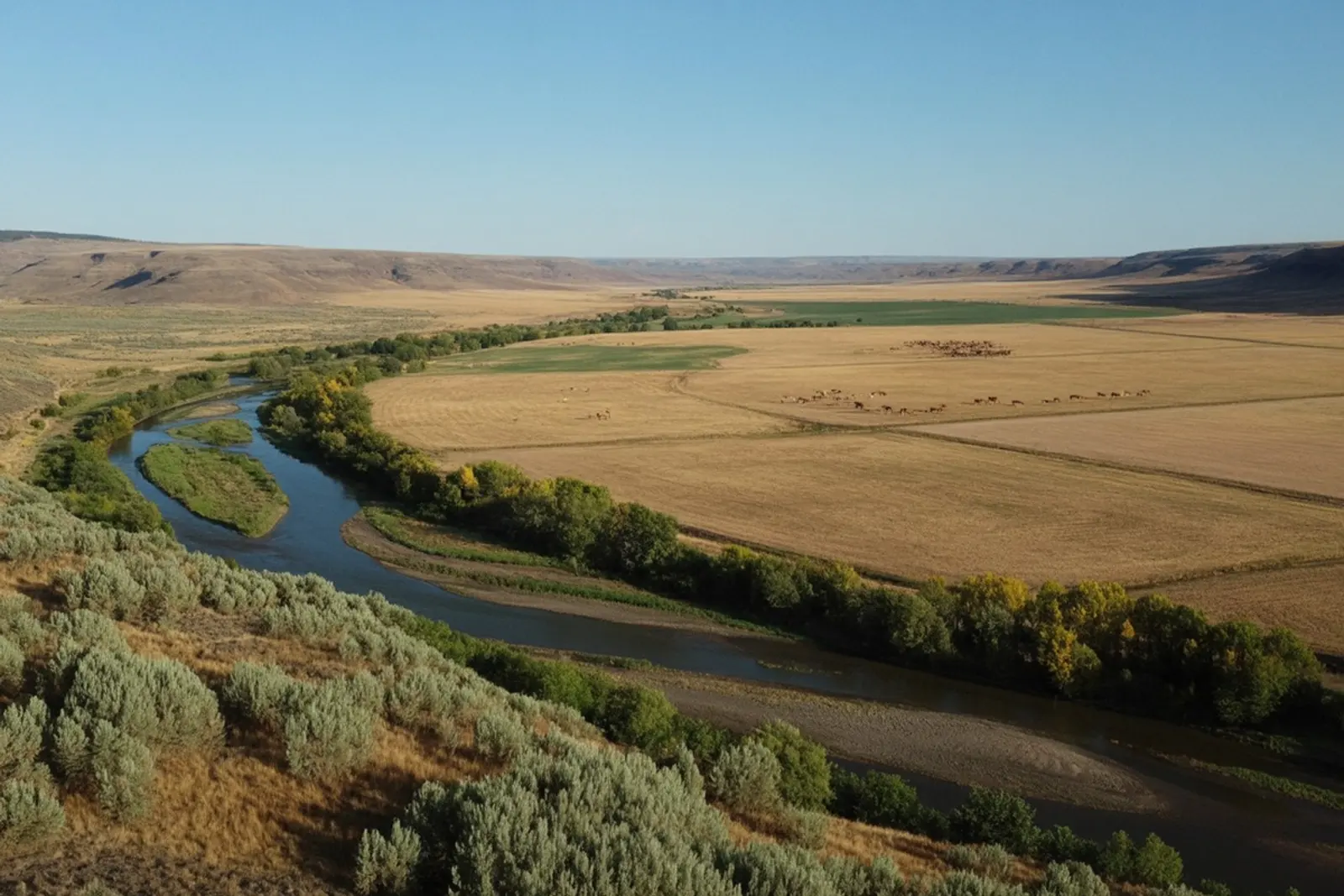
The Snake River and its tributaries turn high desert into row-crop country. Most of the farm ground we sell sits within an hour of the river, on irrigation projects built a century ago — the Owyhee Project in Oregon and the Boise Project and Black Canyon districts in Idaho. Each runs differently, so the same acreage can carry very different water.

Canyon County, ID
Seed crops, onions, and orchards around Parma, Wilder, and Notus.
Malheur County, OR
Owyhee Project ground near Nyssa, Ontario, and Vale — onions and sugar beets.
Payette County, ID
Irrigated cropland and hay ground around Fruitland and New Plymouth.
Owyhee County, ID
Snake River bottoms and bench farms near Homedale and Marsing.
Washington County, ID
Hay and grain ground on river water around Weiser.
Gem County, ID
Diversified farms and orchards in the Emmett Valley.
Treasure Valley & Snake River Plain
Irrigated Farm & Cropland

Water Rights First, Then Everything Else

Kellie Robinson — Broker, Licensed in Idaho & Oregon

Kellie Robinson
Property Assessment

Land & Water Evaluation

On farm ground, the water is the asset. Before I talk price, I pull the water right records, confirm the priority date and irrigation district, and check how water actually reaches each field. I've watched deals fall apart late because a buyer assumed rights that didn't transfer — I'd rather find that out on day one.

Idaho and Oregon handle water differently, and I'm licensed in both. That matters on the border, where a farm near Ontario or Nyssa may compete with ground across the river in Payette or Canyon County. I'll help you compare them honestly, water included.

Contact Kellie

Questions

Farm Land FAQ

How do water rights transfer when I buy farm land?

In both states, water rights generally stay with the land they serve, but the deed and the state record both need to be right. In Idaho, a change of ownership is filed with the Department of Water Resources; in Oregon, with the Water Resources Department. District shares may transfer separately. We confirm every right and share before closing so nothing is lost in the handoff.

What's the difference between a water right and irrigation district shares?

A water right is a legal right to use a set amount of water from a source, with a priority date. District shares entitle you to part of the water an irrigation district delivers, and they carry annual assessments. Many farms here have one or the other, and some have both. The mix affects cost, reliability, and value.

Can I get financing for farm land?

Yes. Agricultural lenders, local banks, and USDA Farm Service Agency programs all finance farm ground in Idaho and Oregon. Terms depend on the property’s production history, your experience, and the down payment. I can introduce you to lenders who know the area and understand irrigated land.

What does farm land sell for per acre here?

It varies widely. Irrigated ground with senior water and good soil sells for far more than dry ground or land with junior rights, and nearness to processors adds value. Rather than quote a single number, I pull recent comparable farm sales for the specific area and water situation you are considering.

Should I get a soil test before buying?

For productive ground, yes. Start with the NRCS soil survey to see soil classes, then consider lab tests for fertility, pH, and salinity, especially on ground that has been in intensive row crops. Ask the seller for yield records and past fertilizer and chemical history too.

Can you help me sell my farm?

Yes. I market farm ground to growers, investors, and families who understand what water, soil, and delivery are worth, and I present those details clearly so qualified buyers can act. Because I am licensed in Idaho and Oregon, I can reach buyers on both sides of the Snake River.

Ready to Find Your Idaho or Oregon Farm Ground?

Let my authentic outdoor experience and professional expertise guide you to the perfect property.