Investing in Idaho Ranch Property: Zoning, Water Rights, and Land Value in the Payette Region
Kellie Robinson · July 14, 2026 · 13 min read
True North Equine Land & Ranch is a licensed real estate brokerage in Idaho and Oregon. Information deemed reliable but not guaranteed. Full Disclaimer.
If you’re searching for Idaho ranch property for sale, the Payette and Treasure Valley region deserves a close look — it delivers the combination of productive land, dependable irrigation infrastructure, and year-round accessibility that serious buyers can rarely find in one place. At True North Equine Land & Ranch, Kellie Robinson has spent more than 15 years helping buyers navigate rural transactions across both Idaho and Oregon, and southwest Idaho’s ranch corridor is one of the most dynamic markets we watch.
This guide walks you through everything a first-time or relocating buyer needs to understand about the Idaho ranch market: what the word “ranch” actually means on the ground here, where to focus your search, what drives per-acre pricing, and how water rights, zoning, and ag-loan programs factor into your purchase decision. We’ll point you toward the expert agencies and extension resources that keep us grounded in facts, and we’ll link to our deeper dives on water rights and financing so you don’t have to read the same information twice.
The term “ranch” gets used loosely in real estate listings, so let’s be specific. In southwest Idaho’s Payette County and the broader Treasure Valley corridor, ranch parcels generally fall into four broad categories, each with a different buyer profile and different due-diligence checklist.
Idaho ranch investment comparison by property type
Property Type
Typical Price Range
Annual Income Potential
Key Value Driver
Working cattle ranch
$3,000-$8,000/acre
1-3% of land value
BLM permits + water rights
Hay/crop operation
$4,000-$9,000/acre
Commodity dependent
Senior water rights + soil quality
Recreational ranch
$2,000-$6,000/acre
Hunting leases possible
Wildlife habitat + scenery
Horse/equine facility
$8,000-$20,000/acre
Boarding/training fees
Arena + pasture + improvements
Cattle and Livestock Operations
Working livestock ranches are the original use case: deeded ground that supports a cow-calf or stocker operation, with perimeter fencing, stock-water infrastructure, and proximity to BLM or state-leased grazing allotments. These properties are evaluated on carrying capacity — how many animal unit months (AUMs) the land will support — and on the quality of their water rights. Buyers in this category tend to be ranching families looking to expand, or investors acquiring a productive agricultural asset.
Equine Ranch Properties
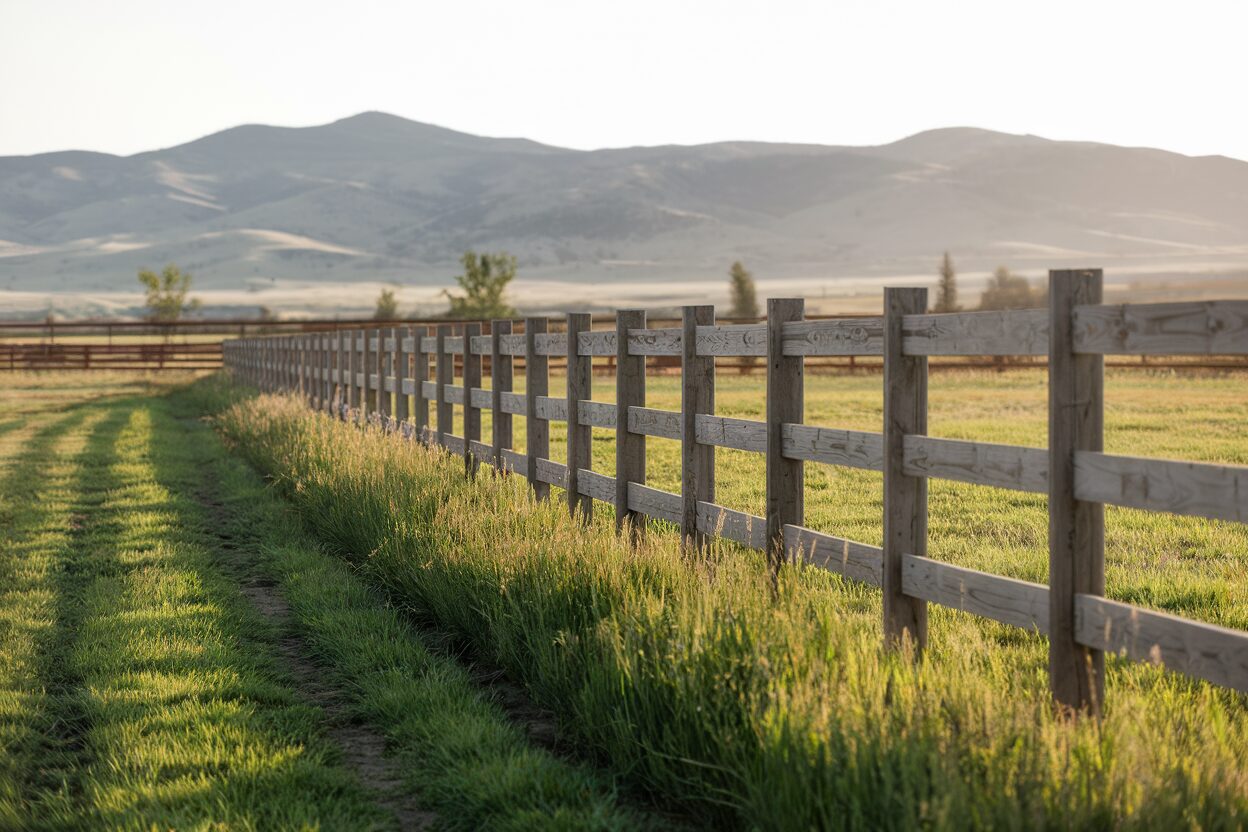
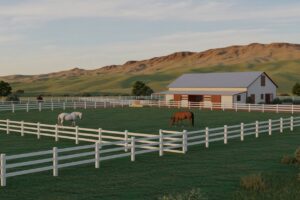
Horse properties in Idaho range from small hobby setups on five to twenty acres up to genuine training facilities on fifty or more. Southwest Idaho’s mild winters, arena-friendly soils, and easy freeway access to the Boise metro make the Payette-to-Fruitland corridor a popular landing spot for competitive reiners, cutters, and pleasure riders relocating from California or the Pacific Northwest. These properties prize barn condition, arena footings, and fencing quality as much as raw acreage.
Hobby and Lifestyle Ranches
Buyers who want rural space without a full agricultural enterprise often pursue what the market calls a “hobby ranch” — typically twenty to one hundred acres with a quality residence, good well or irrigation water, and enough pasture to run a few head of cattle or horses. These properties command premium prices per acre because they compete with both production agricultural buyers and residential rural buyers simultaneously.
Bare Agricultural Land
Unimproved irrigated or dryland crop acres — often purchased to add to an existing operation or as a long-term land-banking investment — represent a separate segment. Without an existing residence or improvements, bare-land transactions are almost purely driven by soil quality, water availability, and commodity crop potential.
Key Areas and Communities
Southwest Idaho’s ranch market is centered in a band stretching roughly from Ontario, Oregon on the west to Nampa on the east, with several distinct communities worth knowing.
Southwest Idaho county comparison for ranch buyers
County
Distance to Boise
Avg Ranch Parcel
Character
Payette County
50-60 min
40-200+ acres
Irrigated hay, canal infrastructure, family ranches
Ada County
In metro
5-40 acres
Highest prices, horse properties near Eagle/Star
Canyon County
20-40 min
5-80 acres
Nampa/Caldwell corridor, ag transition zone
Gem County
45-60 min
20-160 acres
Emmett area, mixed livestock and crop
Owyhee County
1-2 hrs
100-5,000+ acres
Open rangeland, BLM allotments, lowest per-acre cost
Payette and New Plymouth
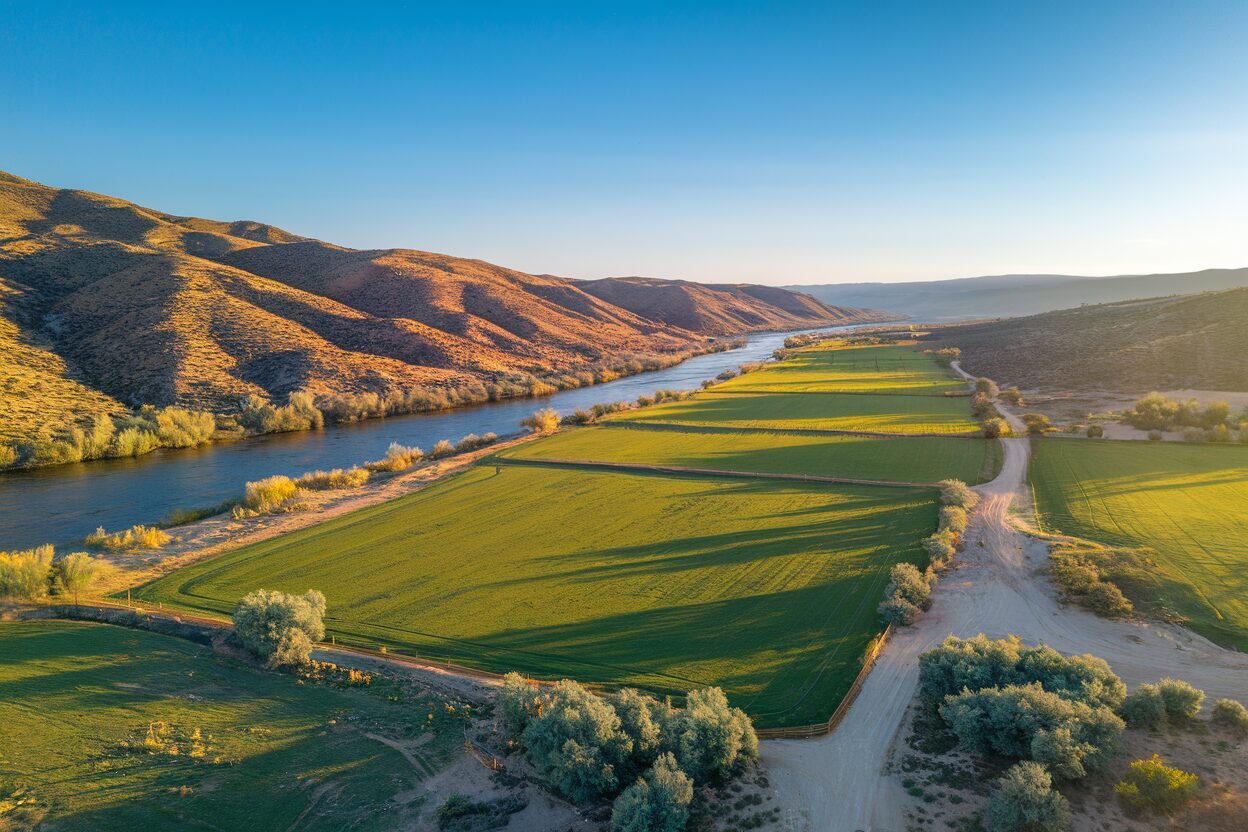
Payette County consistently produces some of the most productive irrigated ground in the state. The town of Payette sits at the confluence of the Snake and Payette Rivers, and the surrounding benchlands and bottomlands are crisscrossed by Payette-Weiser Canal Company and Black Canyon Irrigation District infrastructure. New Plymouth, a few miles south, has a strong farming and ranching tradition and often turns up in searches for larger irrigated parcels at values that still trail the Boise metro’s fringe pricing.
Fruitland
Fruitland occupies a strategic position on the Idaho side of the Oregon-Idaho border, close enough to Ontario and the broader Treasure Valley economy to attract buyers who want rural property without full isolation. We wrote a detailed community profile of Fruitland and neighboring Weiser — you can read it at Weiser and Fruitland Idaho: Perfect for Horse Lovers.
Weiser
Washington County’s seat, Weiser, anchors the northern end of this corridor. Properties in the Weiser area often have larger parcel sizes, more modest price-per-acre figures, and a ranching culture that skews toward cow-calf operations and hay production. The Weiser River drainage also provides some attractive riparian parcels for buyers who want water frontage.
Canyon County’s Rural Fringe
The outskirts of Caldwell, Nampa, and Melba offer smaller hobby-ranch and horse-property parcels that still carry agriculture-zoned protection from subdivision pressure. These command the highest per-acre prices in the corridor, reflecting proximity to Boise’s workforce and amenities.
Price Drivers and Land Values
Per-acre values in southwest Idaho’s ranch market vary enormously based on parcel type, water availability, improvements, and proximity to urban centers. The table below gives broad ranges that were representative of 2025–2026 market conditions. Treat these as orientation figures, not appraisals — consult a licensed appraiser and verify current data before making any purchase decision.
Parcel Type
Typical Size Range
Approx. $/Acre (2026)
Key Value Drivers
Irrigated crop ground (no improvements)
40–200+ acres
$4,000–$9,000+
Water right priority, soil class, district access
Dryland/rangeland
80–500+ acres
$800–$2,500
Grass cover, AUM capacity, access road quality
Horse/equine ranch (improved)
5–50 acres
$8,000–$20,000+
Barn condition, arena, well/water rights, residence quality
Ranges based on general market observation as of early 2026. Verify current figures with a licensed appraiser and your agent before transacting.
A few factors compress or expand these ranges in ways that can surprise buyers new to rural Idaho. Irrigation water tied to a senior water right can add thousands of dollars per acre compared to an identical parcel on junior rights. Likewise, a well-built horse barn with a covered arena can justify a dramatically higher total asking price per acre on a 20-acre parcel relative to a bare-land comparable — because the buyer pool for improved equine properties is willing to pay for amenities that raw-land investors would not.
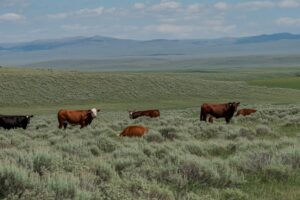
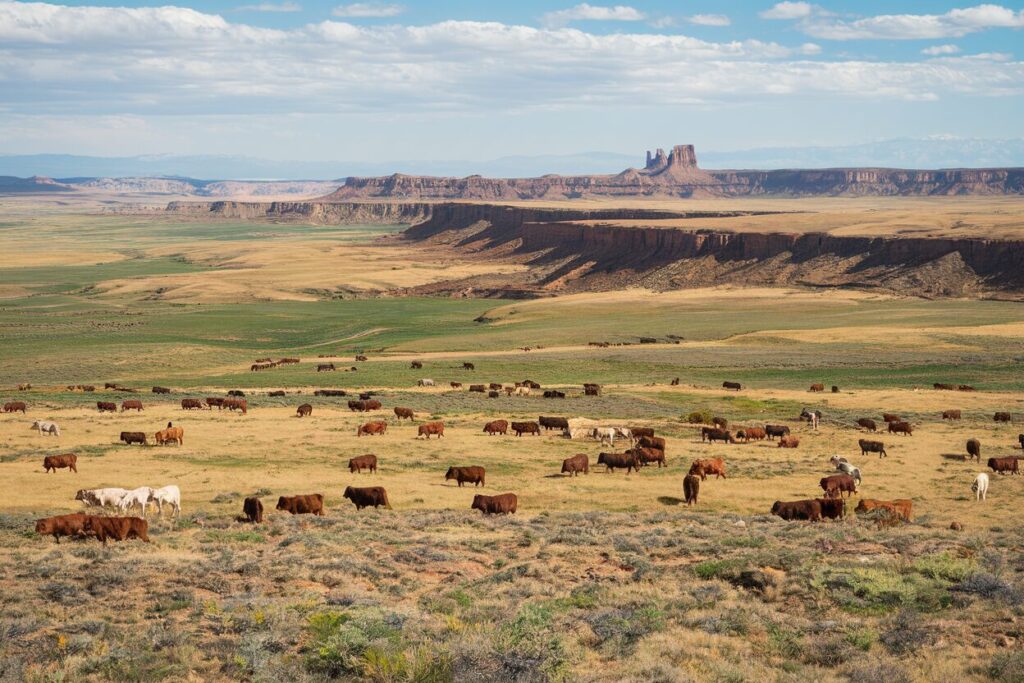
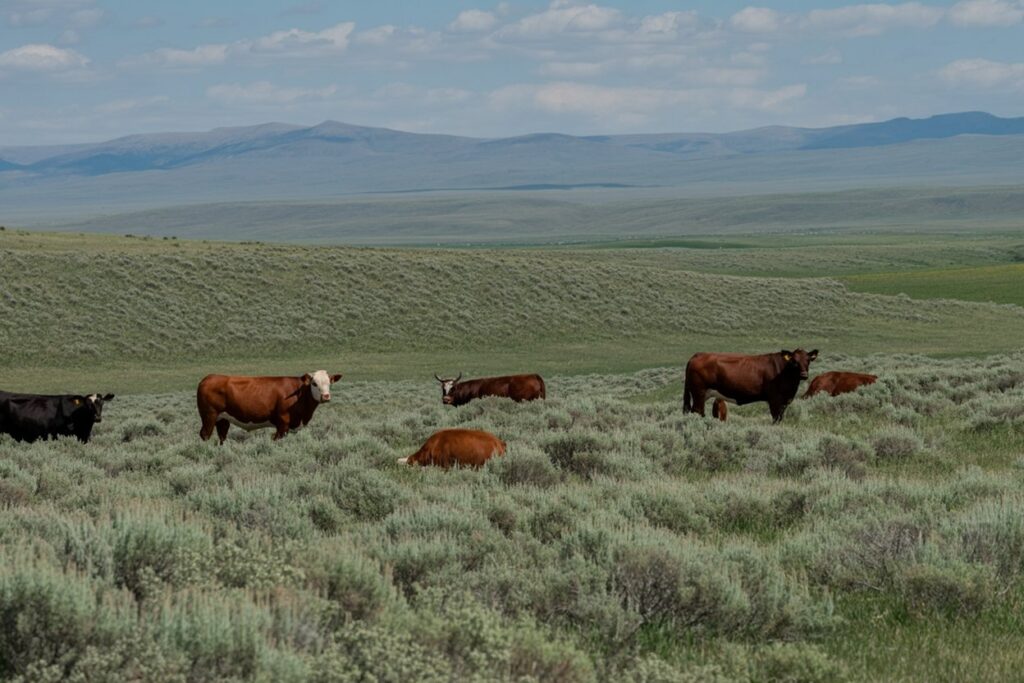
Southwest Idaho’s irrigated pastures support productive cow-calf and stocker operations. Carrying capacity and water-right seniority are the two most important variables in a cattle-ranch purchase. (Verify current stocking rates with local NRCS.)
Water Rights and Irrigation Districts
Water is the single most consequential factor in any Idaho ranch purchase, and it deserves more depth than we can give it here in an overview guide. We’ve written a dedicated resource — Understanding Water Rights When Buying Ranch Property in Oregon and Idaho — that covers prior appropriation doctrine, how to verify a water right through the Idaho Department of Water Resources (IDWR), and how Idaho’s system differs from Oregon’s. Please read that post before making any offer on a property with irrigation water.
Key Irrigation Districts in the Payette Valley
Southwest Idaho’s ranch corridor is served by a network of irrigation districts that deliver water from the Snake River system and from storage reservoirs including Black Canyon Reservoir and Crane Falls Reservoir. Black Canyon Irrigation District and the Payette-Weiser Canal Company are among the largest delivery infrastructure operators in the region. If the property you’re considering receives water through a district rather than a direct appropriation from a stream or well, you’ll need to understand the district’s assessment structure, delivery reliability, and any capital improvement obligations that transfer with ownership.
Stock Water Rights
Livestock-focused ranches frequently hold separate stock-water rights — rights specifically for watering animals — in addition to irrigation rights. These are distinct legal instruments under Idaho law. Confirm that all water rights appurtenant to the property are properly described in the seller’s disclosure and are being conveyed as part of the sale. IDWR’s water-rights database is publicly searchable and is an essential verification tool; your attorney or water-rights consultant should pull a current report early in due diligence.
Zoning and Agricultural Tax Assessment in Idaho
Idaho’s zoning is administered at the county level, so the rules vary between Payette, Washington, Canyon, and Owyhee Counties. The key distinction buyers need to understand is whether a parcel carries an agricultural or rural zoning designation that protects it from residential subdivision pressure — and whether any minimum parcel sizes or conditional-use restrictions affect your intended use.
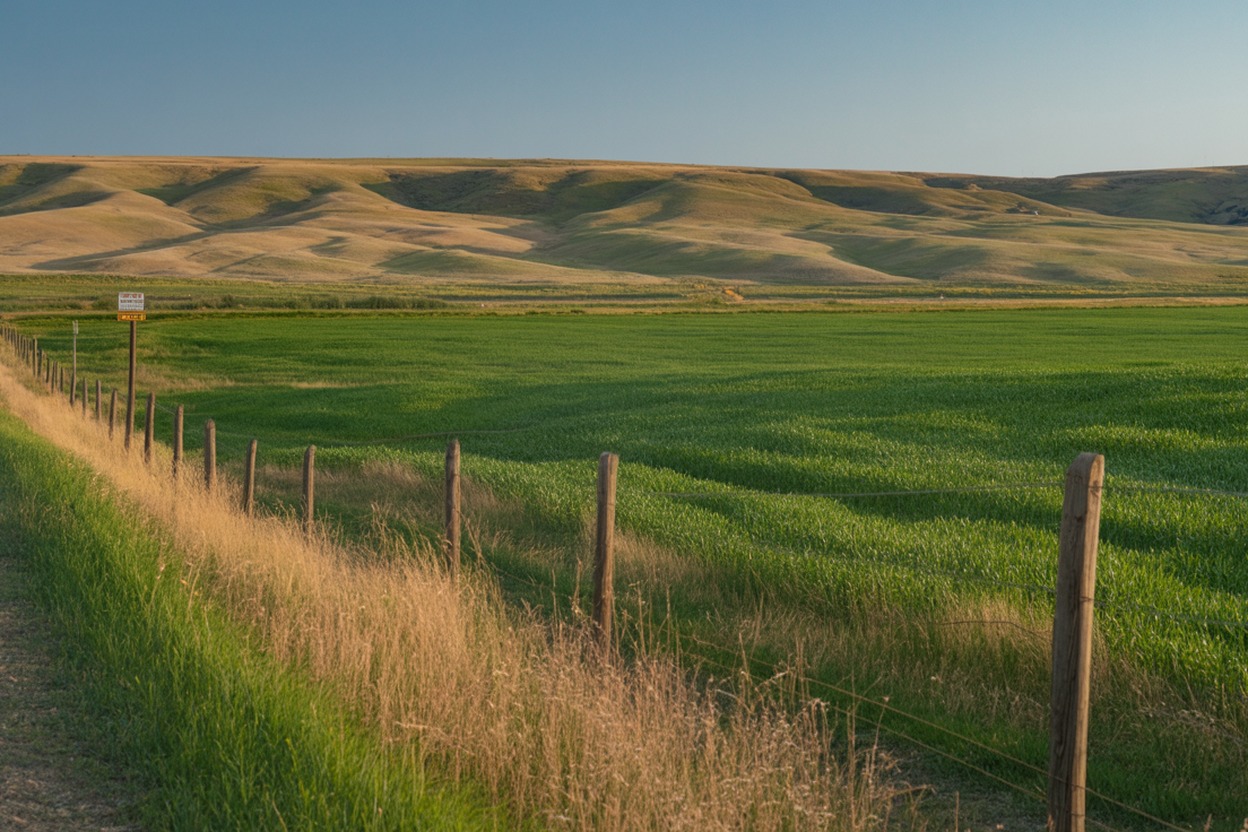
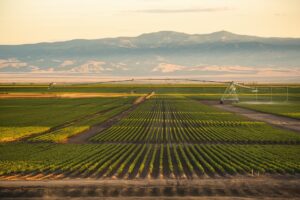
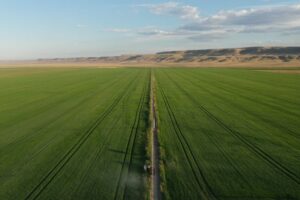
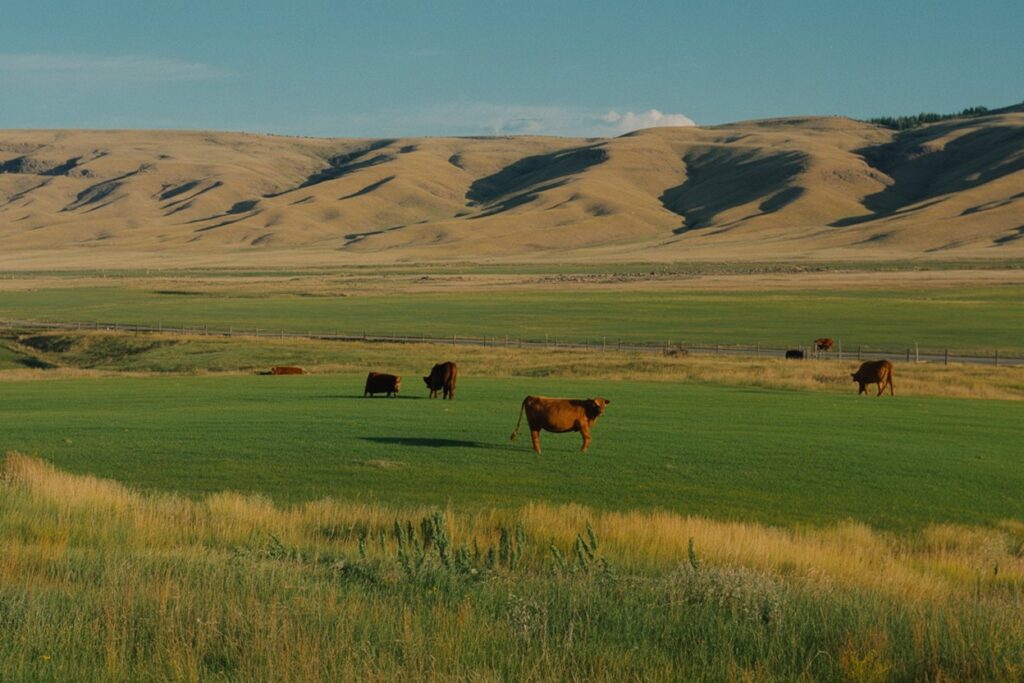
Agricultural zoning protections help preserve Idaho farmland for productive use. Verify zoning designation and permitted uses with the county planning office before making an offer. (Information deemed reliable but not guaranteed.)
Agricultural Tax Assessment
Idaho offers an agricultural property tax assessment program under Idaho Code § 63-604 that taxes qualifying agricultural land on its productive value rather than market value. This can produce dramatically lower property tax bills on larger parcels — a meaningful carrying-cost advantage for buyers who intend to continue agricultural use. Qualification generally requires that the property be actively used for agriculture or forestry. If you convert a historically ag-assessed parcel to a non-ag use, you may face a rollback of deferred taxes for up to five years, so understand this obligation before you change operations. The University of Idaho Extension publishes landowner resources on Idaho property-tax programs that are worth reviewing (verify current guidance with your county assessor).
Minimum Acreage and Conditional Uses
Some counties maintain minimum lot sizes in agricultural zones — ranging from five acres to forty acres depending on the jurisdiction — designed to preserve working farmland from excessive parcelization. If you’re considering splitting a larger ranch purchase into separate parcels for family members or resale, confirm what subdivision and lot-line adjustment rules apply in the specific county before you close.
Financing Your Idaho Ranch Purchase
Rural ranch financing in Idaho follows a different playbook than conventional residential lending. Most lenders require a larger down payment — often twenty to thirty percent — and underwriting criteria emphasize the land’s productive capacity alongside the borrower’s financial profile.
Our post on buying horse property in Eastern Oregon covers the landscape of USDA Farm Service Agency (FSA) loan programs, Farm Credit lending, and other rural financing options in detail. The short version: USDA FSA offers Farm Ownership Loans and Direct Operating Loans that can be particularly valuable for first-generation buyers or beginning farmers who haven’t yet accumulated the equity to qualify for conventional agricultural lending. Farm Credit institutions — which include AgWest Farm Credit and similar cooperatives — specialize in agricultural real estate and are often more flexible in how they evaluate rural land collateral than traditional banks.
One Idaho-specific financing note: if you’re purchasing a property that includes an irrigation-district water right, some lenders want to see the district’s financial health and any delinquent assessments resolved before closing. Pull the district assessment records during due diligence — this is not something to discover at the closing table.
Working with a Dual-Licensed Rural Broker
Southwest Idaho and eastern Oregon share more than a time zone. Buyers relocating from the Willamette Valley or the Portland metro often discover that the properties they want straddle the border in terms of where the best deals are, or that an Oregon transaction and an Idaho transaction need to happen in sequence as they trade up or consolidate operations. Having a broker who is licensed in both states — and who genuinely understands rural land, water, and agricultural use in both regulatory environments — removes enormous friction from that process.
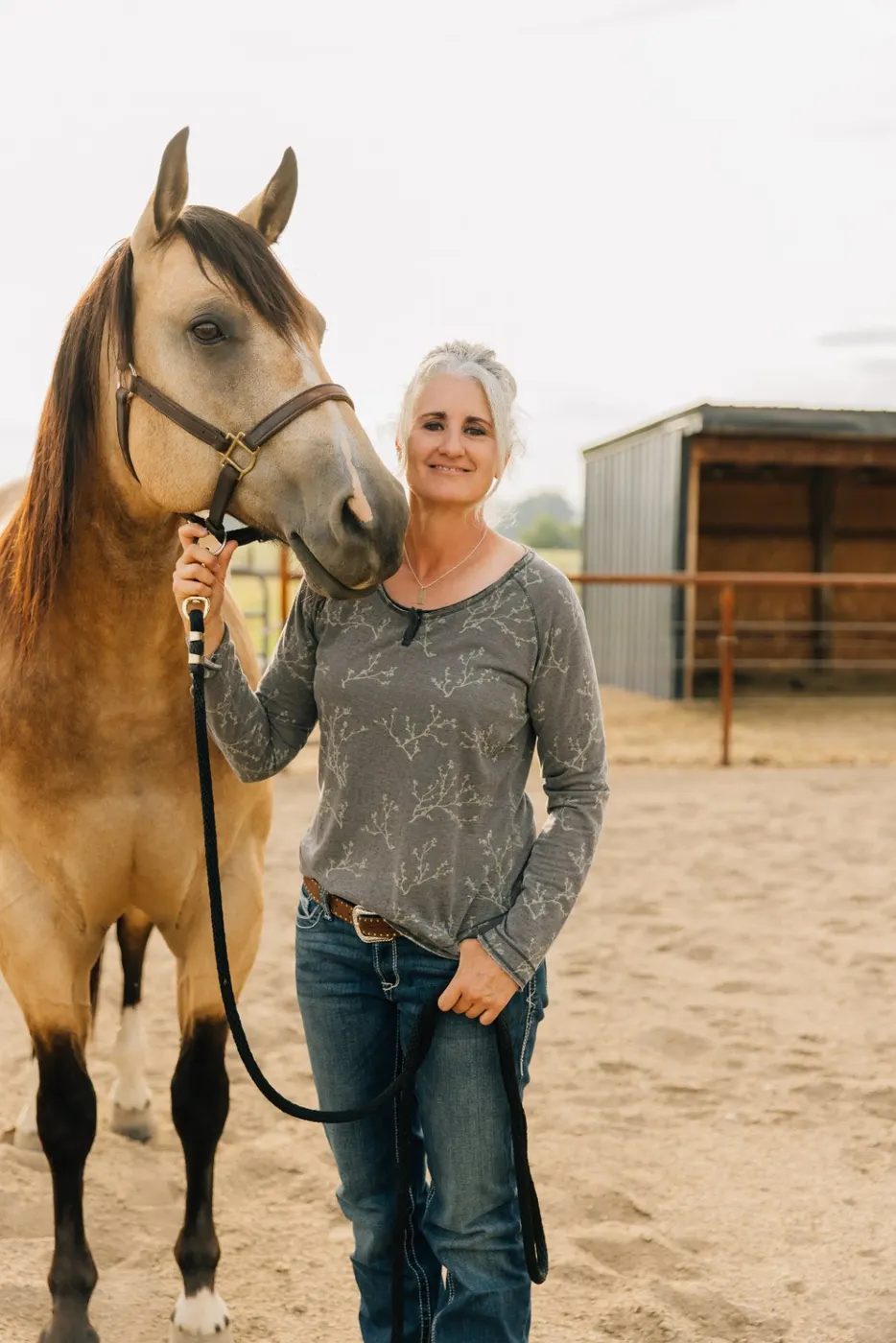
Kellie Robinson has been a competitive reiner for over a decade and has worked rural transactions across both states for more than fifteen years. That dual perspective matters when you’re reading a water-rights report, evaluating a cattle guard and fence line, or trying to understand why two nearly identical parcels a mile apart carry very different per-acre values. We’re not a residential shop that occasionally lists a ranch — rural land is what we do.
Browse our current Idaho ranch listings on the IDX:
Frequently Asked Questions
Is it profitable to invest in a ranch home?
It can be, but profitability depends heavily on the specific property, water rights, and how the land is managed. Well-run working ranches in Southwest Idaho can yield 1 to 3 percent annually from agricultural operations, and long-term land appreciation in the Boise corridor has been strong. However, ranch ownership also carries significant carrying costs including property taxes, insurance, fencing maintenance, and water assessments. We help buyers analyze the full cost picture before making an offer.
How much is 1 acre of land worth in Idaho?
In our Southwest Idaho service area, irrigated crop and pasture ground with senior water rights typically ranges from $4,000 to $9,000+ per acre based on recent market observations. Dryland without water rights runs significantly less. Statewide USDA averages show irrigated cropland around $9,290 per acre, but local prices vary widely by county, water access, soil quality, and proximity to Boise. We provide parcel-specific valuations, not statewide averages.
What part of Idaho is best for homesteading?
For ranch-style homesteading with access to water, Southwest Idaho offers a strong combination of affordable land prices, irrigation infrastructure, and proximity to services. Payette County, Gem County, and Owyhee County all have parcels suitable for self-sufficient living. The key factors are water rights (essential for any serious homestead), zoning that allows livestock and outbuildings, and road access for deliveries and emergency services.
What is the best state to buy a ranch in?
It depends on your priorities. Idaho and Eastern Oregon offer some of the best value per acre in the West for ranch land with water access. Compared to Montana, Colorado, or Wyoming, you get more acreage for less money, with a milder climate and strong irrigation infrastructure. Kellie Robinson is licensed in both Idaho and Oregon and helps buyers compare properties on both sides of the border.
What is the cheapest place to live in Idaho?
Southwest Idaho, particularly Payette County (Payette, New Plymouth, Fruitland), Ada County (Eagle, Star), Canyon County (Nampa, Caldwell, Homedale, Marsing), Gem County (Emmett), and Owyhee County, offers some of the most affordable rural living in the state while remaining within an hour of Boise. For ranch buyers, this area combines low land costs with productive irrigated ground and year-round livestock viability.
When you’re ready to talk through your specific search criteria — acreage, budget, water preferences, intended use — we’d love to schedule a no-pressure consultation.
Written by Kellie Robinson, broker/owner of True North Equine Land & Ranch, licensed in Idaho and Oregon. Kellie is a competitive reiner and rural-land specialist with over 15 years of experience in equine and agricultural real estate.
Market data disclaimer: Per-acre price ranges, AUM figures, and other quantitative information in this post are general estimates based on market observation and should be independently verified with a licensed appraiser, your county assessor, and the relevant water-resource agencies before making any purchase decision. Figures may have changed since publication. True North Equine Land & Ranch does not guarantee the accuracy of third-party data. Full Disclaimer.
Broker/Owner of True North Real Estate Group, licensed in Idaho and Oregon. Competitive reiner, rancher, and 15+ years helping buyers find land that works.