Selling Your Horse or Ranch Property in Oregon and Idaho: A Seller’s Guide
Kellie Robinson · July 14, 2026 · 10 min read
True North Equine Land & Ranch is a licensed real estate brokerage in Idaho and Oregon. Information deemed reliable but not guaranteed. Full Disclaimer.
Selling a horse property or ranch in Oregon or Idaho is a fundamentally different undertaking than selling a residential home — and sellers who treat it like a residential transaction often leave significant money on the table or spend months waiting for buyers who never materialize. At True North Equine Land & Ranch, Kellie Robinson has spent more than fifteen years on both sides of these transactions, as a competitive reiner who understands what horse-property buyers want and as a dual-licensed broker who knows how to translate the value of a well-built barn, a senior water right, or a thoughtfully fenced pasture into numbers that hold up under scrutiny.
This guide is written specifically for sellers — a perspective that’s largely absent from our blog (and from most rural real estate content in general). We’ll walk through why specialized marketing matters for this property type, how to price a rural or equine property accurately, what preparation work pays off before listing, how to reach the niche buyer pool that can actually close on your property, and what to expect from the closing process when water rights and agricultural property are involved. If you’re wondering how your property fits into the current market, our 2025 Horse Property Market Trends in Oregon and Idaho post gives useful context.
MLS, equine-specific platforms, social media, signage
Negotiation
1-3 weeks
Offer review, inspection, water rights verification
Under contract
45-90 days
Appraisal, lender underwriting, BLM permit review if applicable
Closing
1 day
Title transfer, fund disbursement, key handoff
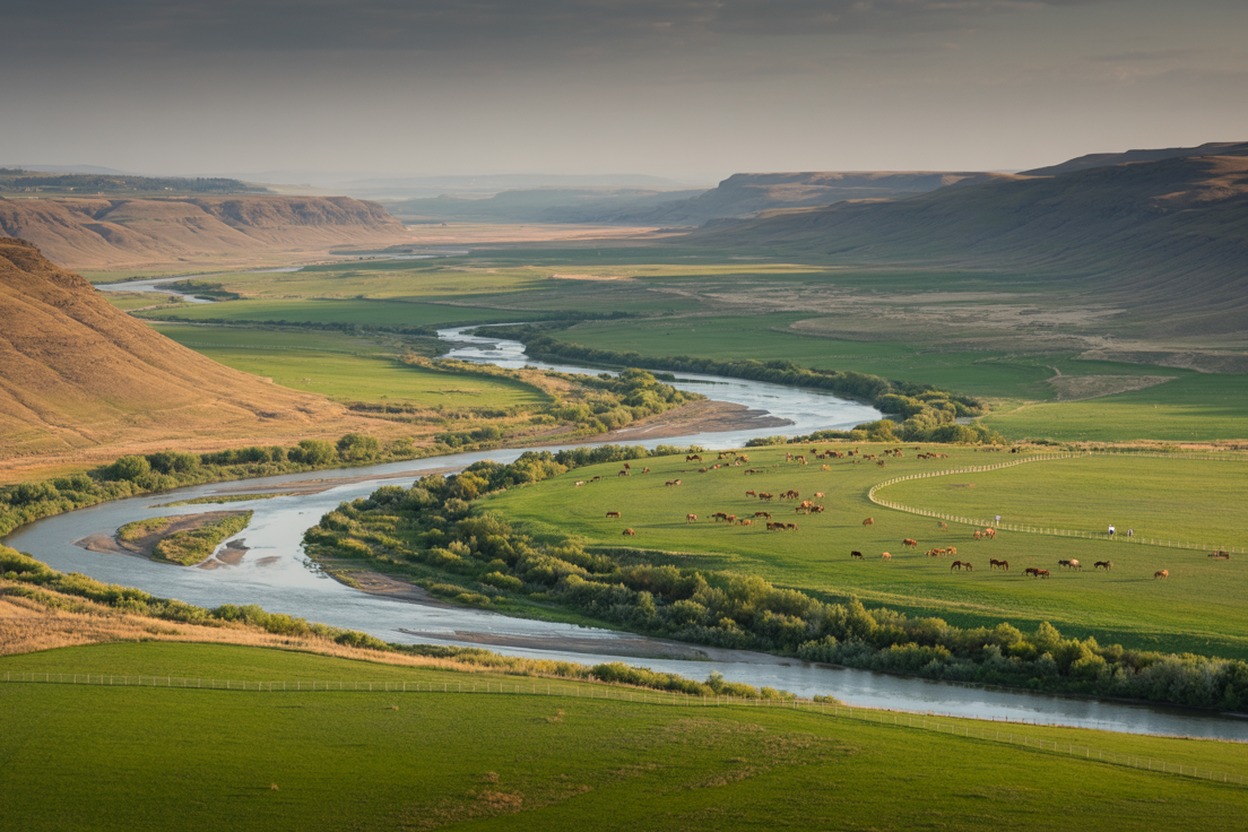
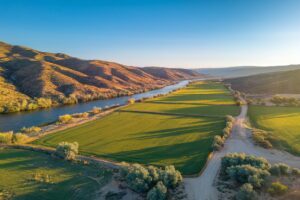
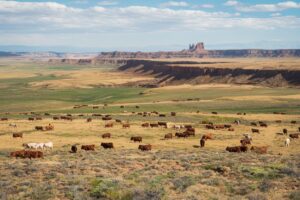
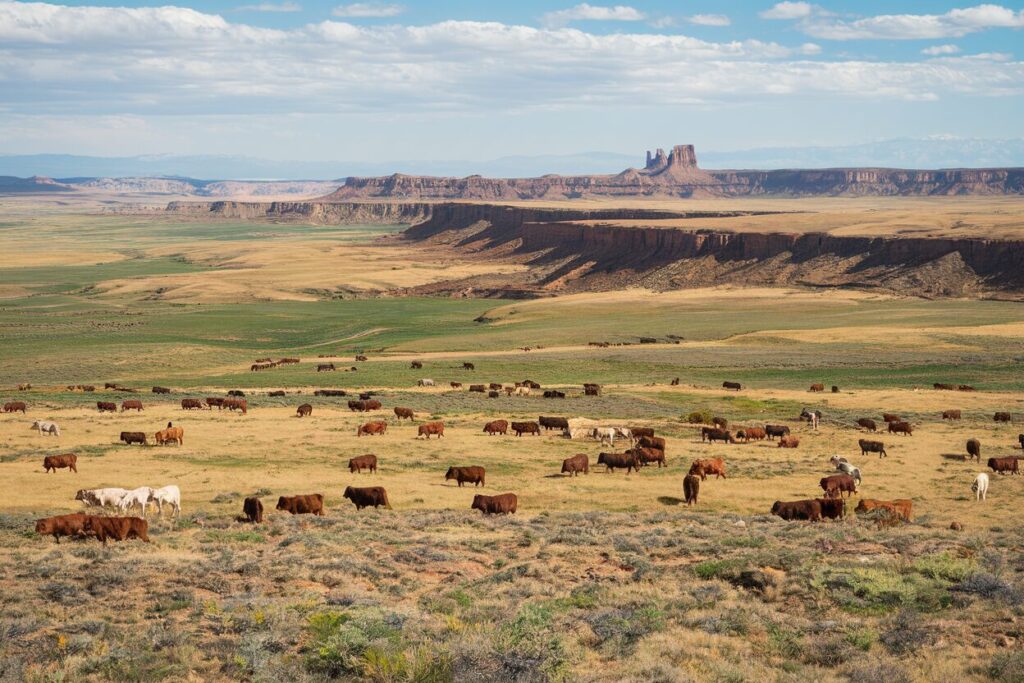
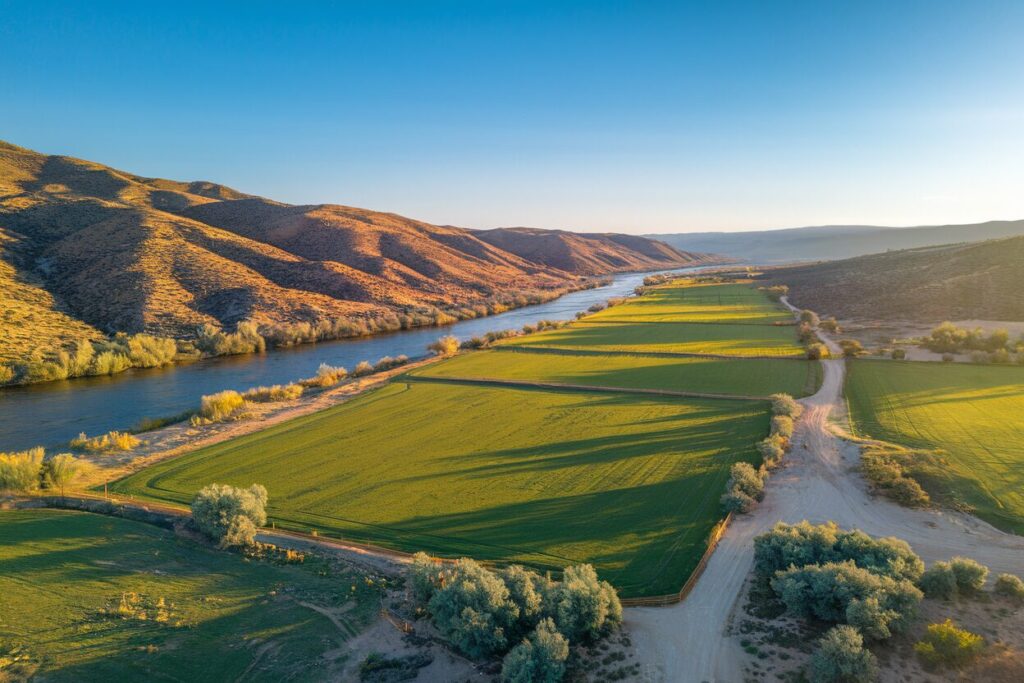
The Snake River corridor marks the Idaho-Oregon border and connects the ranch and equine property markets in both states. Kellie Robinson is licensed in both states to help sellers reach buyers on both sides. (Information deemed reliable but not guaranteed.)
Why Equine and Ranch Sellers Need a Specialist
The buyer pool for a horse property or working ranch is narrow by nature, and that narrowness has real implications for how your property should be priced, marketed, and presented. A conventional residential listing strategy — MLS syndication plus a weekend open house — is poorly suited to a property that will be evaluated on its arena footings, its water-right seniority, or its AUM capacity.
A Niche Buyer Pool with Specific Needs
Qualified buyers for equine and ranch properties are spread across a wider geography than residential buyers. Many of your most likely purchasers live in California, the Pacific Northwest, or out of state entirely — people seeking to relocate to a lower-cost rural environment where they can run horses, raise livestock, or pursue an agricultural lifestyle that’s no longer affordable in their home market. Reaching them requires a marketing strategy that extends well beyond the local MLS: targeted digital advertising to equestrian and agricultural audiences, syndication on rural property platforms, and networking through breed associations, livestock organizations, and agricultural lender relationships.
Specialized Valuation
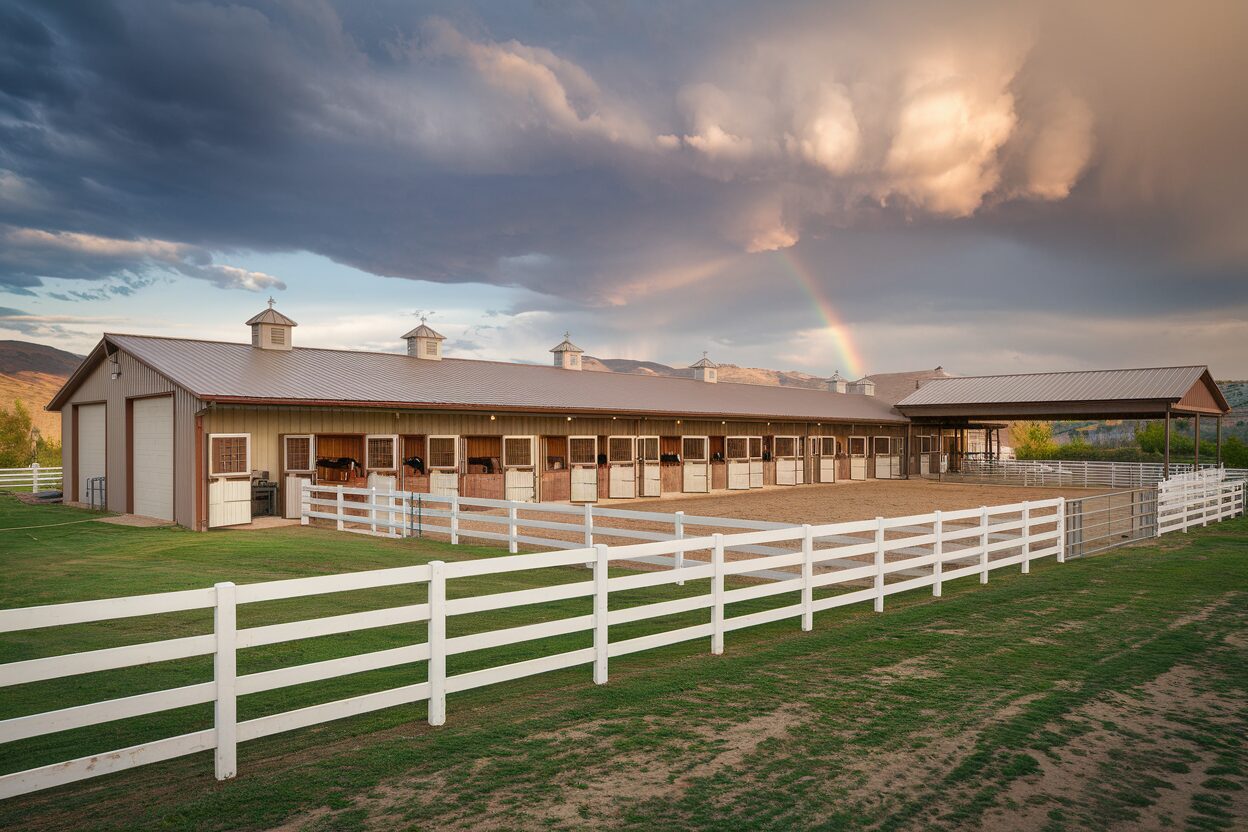
A residential appraiser who doesn’t regularly work rural property may struggle to value your horse barn, your covered arena, or your water right. These elements require familiarity with agricultural appraisal methodology, knowledge of what buyers in this niche specifically pay for, and access to rural comparable sales that may not appear in standard MLS databases. Working with an agent who can brief an appraiser and advocate for your property’s distinctive features — or who knows which appraisers to recommend — makes a measurable difference in the appraised value that a buyer’s lender will use to underwrite the transaction.
Understanding What Buyers Are Actually Buying
In our experience, horse-property and ranch buyers are purchasing a lifestyle and an operational capability as much as a parcel of land. A buyer who plans to run a training program cares intensely about arena dimensions, footing condition, and stall count. A cattle buyer cares about fencing perimeter integrity, stock-water availability, and whether the working corral is laid out for efficient handling. Sellers who can speak to these specifics — and who have an agent who can present them clearly — create a more compelling listing and attract more serious, qualified interest.
Water Rights Documentation as a Selling Asset
Water rights are often the most valuable element of a rural property in Oregon and Idaho, and they’re also the element that creates the most friction in transactions when they’re poorly documented. Sellers who do the water-rights homework before listing — rather than scrambling during due diligence — create a smoother transaction and a more confident buyer.
Pre-listing checklist for horse ranch property sellers
Category
What to Prepare
Why It Matters
Water rights
Gather all certificates, permits, district records
Buyers need documented proof; undocumented rights kill deals
Fencing
Repair or replace visibly damaged sections
Horse-safe fencing costs $8-15/ft to replace; deferred maintenance lowers offers
Arena/facilities
Grade footing, repair structures, clean up
First impressions drive equine buyer decisions
Pasture
Irrigate, mow, manage weeds before listing
Green pasture photographs sell ranch properties
Zoning documentation
Get a zoning letter from county planning
Confirms permitted animal count and uses for buyer’s lender
Financial records
2-3 years of income/expense if income-producing
Serious buyers want to verify carrying costs and revenue
Before listing your property, obtain a current water-rights report from the Idaho Department of Water Resources (IDWR) (for Idaho properties) or the Oregon Water Resources Department (OWRD) (for Oregon properties). The report should confirm which rights are appurtenant to the property, their priority dates, the quantities authorized, and whether any curtailments or enforcement actions are on record. If you hold rights in multiple districts or on multiple sources, get the full picture assembled before a buyer’s attorney asks for it.
We discuss the details of water-right verification from the buyer’s perspective in our dedicated post: Understanding Water Rights When Buying Ranch Property in Oregon and Idaho. As a seller, the takeaway is this: a property with clean, well-documented, senior water rights is a more compelling and bankable asset than the identical property with murky water-right records. Do the work upfront.
Timing and the Local Market
Rural real estate doesn’t follow the same seasonal rhythm as the residential market. Horse and ranch buyers are active year-round, but there are practical considerations around listing timing that experienced sellers account for.
Spring and Summer Listing Advantage
Properties show best when vegetation is green, crops are growing, and the full productive character of the land is visible. Listing irrigated pasture or a hay operation in February gives buyers a compressed, dormant picture. Listing in April or May — when the pasture is coming in and the irrigation is running — lets the land tell its own story. That said, the best time to list is when your property is ready and market conditions are favorable, not on a calendar date. Consult our current market context at 2025 Horse Property Market Trends in Oregon and Idaho.
Buyer Pool Seasonality
Out-of-state buyers planning a relocation often begin their search six to twelve months before they’re ready to move. A property listed in spring may attract serious interest that closes in fall — factor this into your expectations if you’re also coordinating a replacement purchase.
The Closing Process for Ag and Water-Rights Properties
Closing a rural property with water rights, agricultural leases, or grazing permits attached takes longer than a residential closing and requires professionals who are familiar with the moving parts. Budget four to eight weeks from signed purchase agreement to closing, and in some cases longer if water-right transfers, lease assignments, or lender-required appraisals create timeline extensions.
Title and Water-Right Conveyance
In Idaho and Oregon, water rights appurtenant to land are generally conveyed with the land by deed. However, some rights — particularly those held separately or under district contracts — require additional documentation. Your title company should be experienced with agricultural property and should confirm that all water rights are properly listed in the preliminary title report and will be properly conveyed at closing. If water rights are being retained or divided, this requires careful attention to the deed language and, in some cases, regulatory approval from IDWR or OWRD.
Agricultural Lease Assignments
If the property is subject to a farm or grazing lease, the lease terms and any assignment provisions must be clearly addressed in the purchase and sale agreement. Buyers’ lenders may require lease documentation as part of underwriting. Make sure your lease is current and in writing — month-to-month oral arrangements create ambiguity that can complicate or delay closing.
Closing Costs for Agricultural Property
Rural closing costs can run higher than residential, reflecting fees for water-right verification, lease review, and rural appraisal. Discuss anticipated costs with your agent and attorney early — Idaho and Oregon have different customs around who pays which fees, and surprises at the settlement table are avoidable.
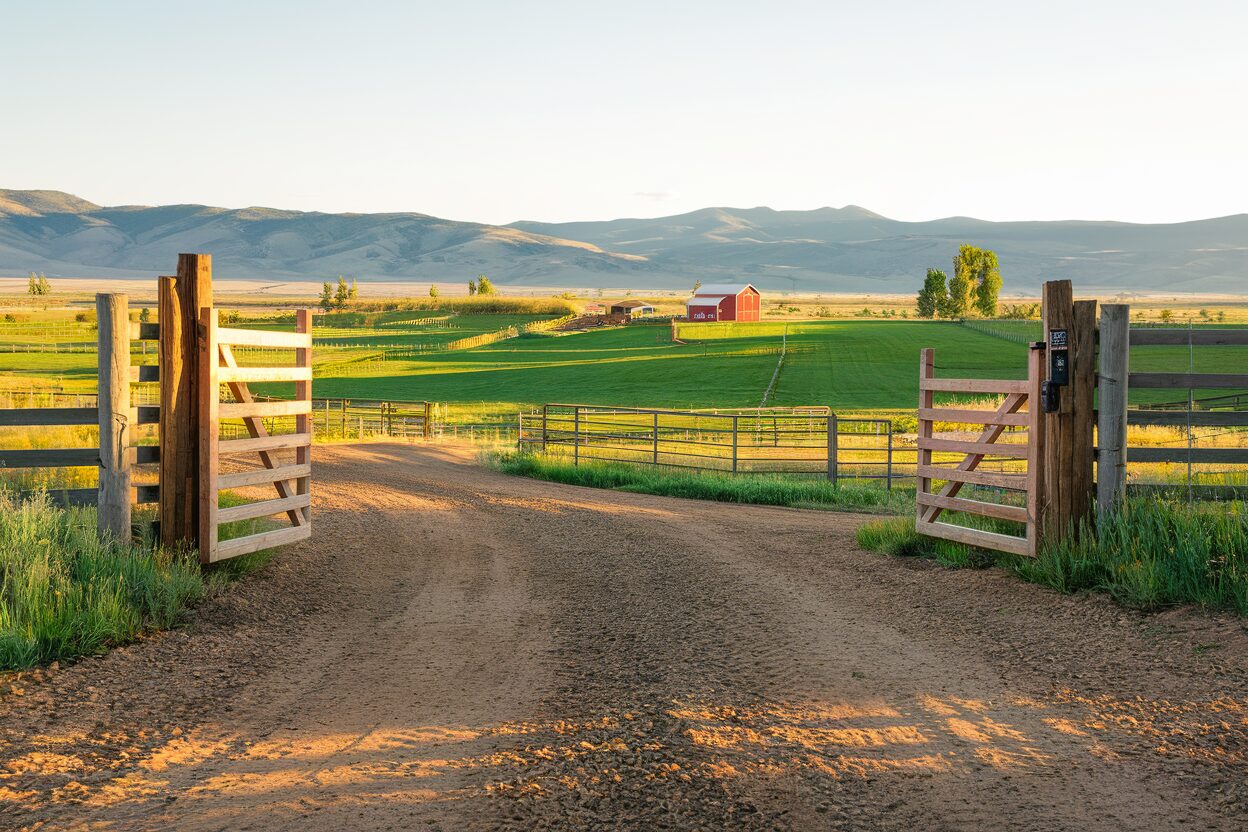
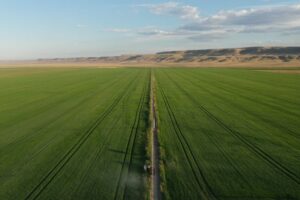
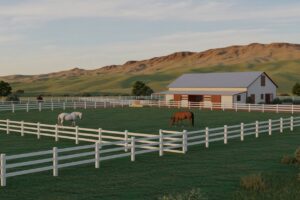
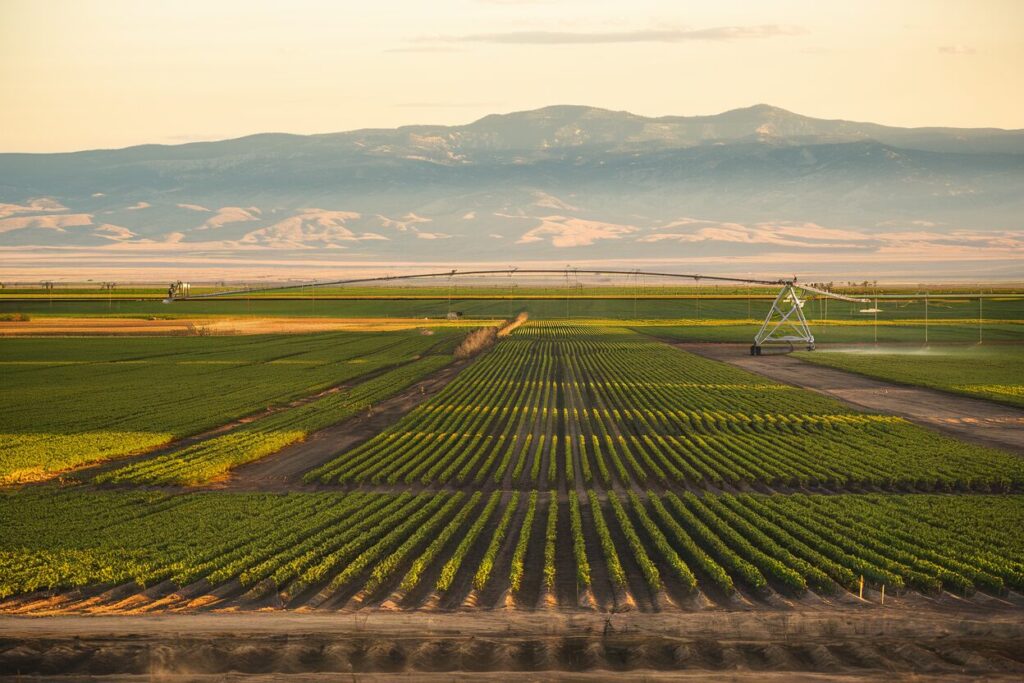
A well-maintained ranch entrance and driveway create a strong first impression for buyers touring rural properties. (Information deemed reliable but not guaranteed.)
Thinking about listing your horse property or ranch? We’d welcome the chance to walk your property, share our assessment of its value, and outline a marketing strategy tailored to your situation.
Frequently Asked Questions
Is it hard to resell equestrian property?
Equestrian property has a narrower buyer pool than standard residential, which can mean longer days on market. The key to a successful sale is marketing to the right audience: equine buyers who understand the value of water rights, pasture quality, arena space, and fencing condition. Kellie Robinson is a competitive reiner who speaks the language of horse property buyers and markets across both Oregon and Idaho to maximize exposure.
How profitable is a horse ranch?
Profitability varies enormously. Boarding and training operations can generate meaningful income if the facility is well-maintained and the local market supports competitive boarding rates. Breeding operations have higher upside but also higher risk. Many horse property owners subsidize their operation with off-ranch income. When selling, the key is to present the property’s income potential clearly so buyers can make informed decisions.
What are common horse property pitfalls?
The most common pitfalls sellers face include deferred fencing maintenance (replacement costs add up fast), undocumented water rights, zoning that restricts the number of animals, chronic drainage problems that create mud, and overestimating the property’s carrying capacity. Addressing these issues before listing can significantly improve your sale price and reduce buyer objections during inspection.
Do I have to pay taxes if I sell my ranch property?
Generally, yes. Capital gains taxes apply to the sale of ranch and farm property, though the specific treatment depends on how long you have owned the property, whether it qualifies as a primary residence, and whether agricultural tax deferrals trigger recapture at the time of sale. Idaho and Oregon have different tax structures, and 1031 exchanges may be available for investment properties. Consult a CPA before listing.
What is the best time to sell a horse property?
Spring and early summer are traditionally the strongest selling seasons for equine property. Pastures are green, the property shows at its best, and buyers are planning for the summer riding season. However, serious equestrian buyers shop year-round, and well-marketed properties in our region attract interest in any season. Pricing correctly from the start matters more than timing.
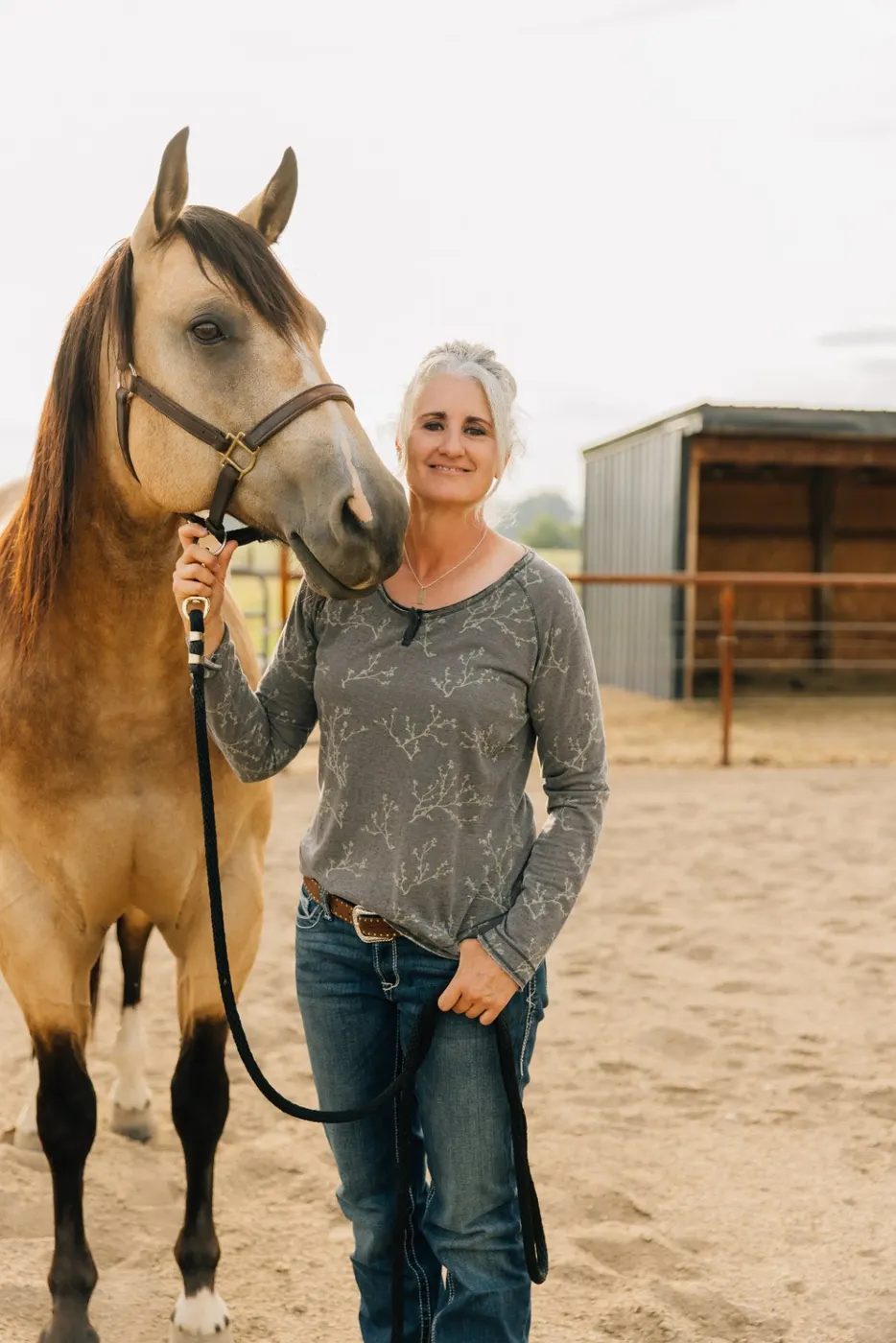
Written by Kellie Robinson, broker/owner of True North Equine Land & Ranch, licensed in Idaho and Oregon. Kellie is a competitive reiner and rural-land specialist with over 15 years of experience representing both buyers and sellers of equine and ranch properties.
Market data disclaimer: Value signals, pricing guidance, and market observations in this post are general in nature and reflect the experience of our brokerage as of early 2026. Individual property values depend on location, condition, water rights, comparable sales, and other factors that require independent assessment. Always work with a licensed appraiser and appropriate legal counsel. True North Equine Land & Ranch does not guarantee the accuracy of third-party information or current market conditions. Full Disclaimer.
Broker/Owner of True North Real Estate Group, licensed in Idaho and Oregon. Competitive reiner, rancher, and 15+ years helping buyers find land that works.